Creating an endocrine-safe pantry supports hormone balance, reduces exposure to suspected endocrine-disrupting chemicals, and aligns with a Conscious Body approach to daily nourishment. This practical guide explains what to prioritize on labels, which ingredients to swap, how to store food more safely, and how to do it all on a realistic budget without sacrificing flavor, convenience, or nutrition.
Endocrine Disruptors 101: What They Are and Where They Hide
Endocrine disruptors are substances that can interfere with hormone signaling. They may appear in food additives, packaging, cookware, and household products. Reducing exposure is a prevention-first strategy that relies on consistent, small changes.
In a pantry context, pay attention to both ingredients and packaging. While not every product with these materials poses the same risk, choosing safer defaults over time can meaningfully reduce cumulative exposure.
- Plastics and linings: Some BPA-type linings in cans, certain phthalates in flexible plastics, and PFAS-based grease-resistant coatings may contribute to exposure.
- Food additives: Artificial colors, flavors, and certain preservatives, as well as some antioxidant additives, have been discussed in research for potential endocrine activity.
- Contaminants and residues: Pesticide residues and processing byproducts can add to the overall burden, especially across many foods.
Label Red Flags: What to Minimize or Replace
Food labels and packaging clues help you choose safer pantry items. Aim to reduce routine exposure rather than chase perfection. If a product contains one or more of the following, look for an alternative when feasible.
- Artificial colors and flavors: Look for statements like “artificial color,” “FD&C” dyes, or “artificial flavor.” Choose products with spices, vegetable juices, or fruit concentrates for color and whole-food flavorings.
- Preservatives of concern: Some preservatives and antioxidant additives, such as BHA or BHT, are sometimes discussed regarding endocrine activity. Seek formulas preserved with salt, oil, vinegar, citric acid, or simple refrigeration.
- “Paraben” on ingredient lists: Parabens occasionally appear in certain food or supplement products; avoid when possible.
- Antimicrobial additives in food-contact items: Avoid “antimicrobial” or “odor-control” claims on wraps, cutting boards, or storage that touch food, as these may introduce unnecessary chemicals.
- Nonstick or grease-resistant packaging claims: Some “grease-proof” packaging materials may involve PFAS-type treatments. Choose uncoated paper, glass, or stainless alternatives when practical.
Packaging Codes and Practical Shortcuts
While recycling codes do not tell the whole story, the following tips are useful shortcuts for everyday choices.
- Favor glass, stainless steel, and plain silicone for storage and reheating.
- Be cautious with #3 (PVC) due to possible phthalates in flexible items.
- Limit #6 (polystyrene) for hot or acidic foods to reduce potential migration.
- Approach #7 (“other”) carefully, as it may include polycarbonate types that historically contained BPA.
Smart Ingredient Swaps for an Endocrine-Safer Pantry
Small, repeatable swaps compound into meaningful change. Where taste and budget allow, use these upgrades to reduce additives and packaging-related exposures.
Pantry Staples and Protein
- Beans and legumes: Choose dried beans and lentils in bulk, stored in glass jars. If using canned, look for brands that specify BPA-free linings and rinse well before cooking.
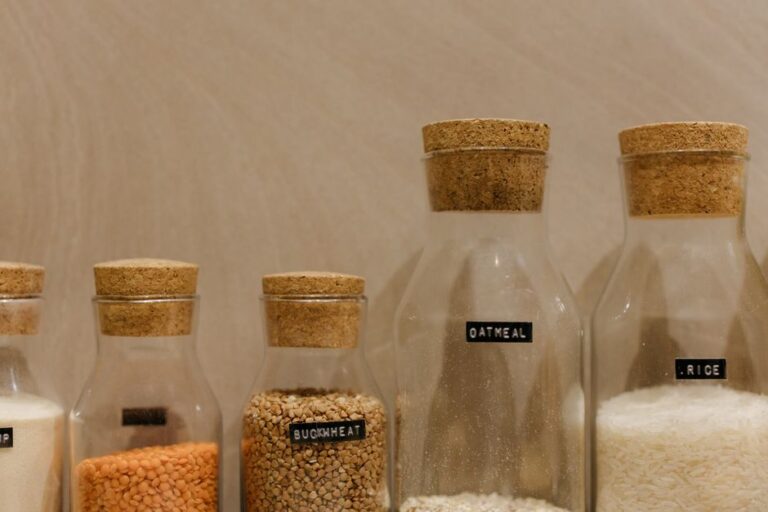
- Grains: Prefer intact or minimally processed grains (oats, brown rice, quinoa) packaged in paper or bulk bins. Store in airtight glass to prevent moisture and pests.
- Nut and seed butters: Pick jars with short ingredient lists: nuts, seeds, and salt. Skip added sugars, emulsifiers, and artificial flavors.
- Canned fish and tomatoes: When possible, select glass-jar options or cans labeled with safer linings. For tomatoes, boxed alternatives with inert barriers can be a practical step.
Cooking Fats and Condiments
- Oils: Choose extra-virgin olive oil for daily use and avocado or high-oleic oils for higher-heat cooking. Buy in dark glass to limit light exposure and store cool.
- Vinegars and ferments: Opt for simple ingredient lists in glass bottles. Traditional ferments like sauerkraut or kimchi add flavor without synthetic additives.
- Broths and sauces: Prefer shelf-stable broths in glass jars or make simple stock to freeze in silicone molds. For sauces, select versions without artificial colors or flavors.
Sweeteners and Baking
- Sweeteners: Choose minimal-ingredient options such as honey, maple syrup, or date paste when appropriate. For baking, unrefined cane sugar or coconut sugar can be used in moderation.
- Leaveners and thickeners: Stick with core pantry items like baking soda, cream of tartar, arrowroot, and tapioca starch. Avoid mixes with artificial colors or flavors.
- Chocolate and cocoa: Select dark chocolate or cocoa powder with short ingredient lists and avoid artificial flavors or polishes.
Snacks and Ready-to-Eat Options
- Crackers and chips: Look for baked or minimally processed options with whole grains, oils you recognize, and no artificial colors.
- Dried fruit and nuts: Choose unsulfured dried fruit and dry-roasted or raw nuts without flavor coatings. Store in glass to maintain freshness.
- Protein options: Keep shelf-stable fish, beans, and seeds on hand to reduce reliance on ultra-processed protein snacks.
Storage and Cooking Habits That Lower Exposure
Behavior plays a major role in endocrine-safe cooking. Adopt simple rules that reduce chemical migration and unnecessary additives without complicating your routine.
- Do not microwave in plastic: Transfer leftovers to glass or ceramic before heating to minimize leaching.
- Use inert storage: Favor glass jars, stainless containers, and plain silicone bags for hot, fatty, or acidic foods.
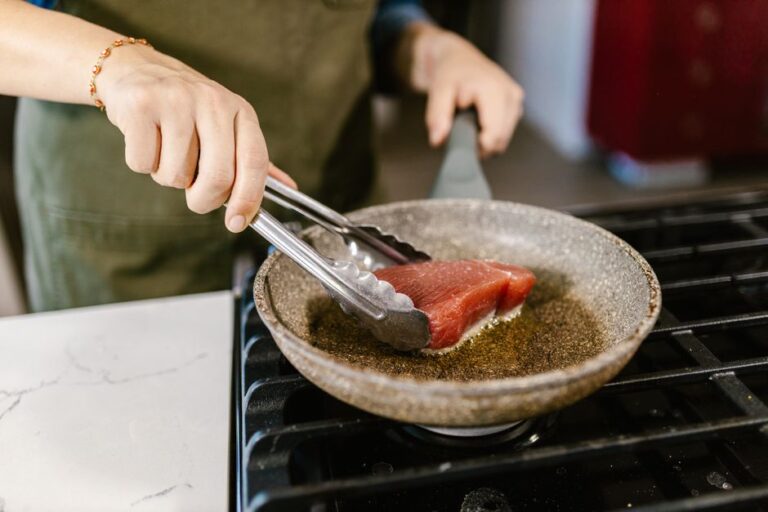
- Rotate nonstick cookware: If using nonstick, avoid overheating and discard when the coating degrades. Consider high-quality stainless steel, cast iron, or ceramic alternatives for daily use.
- Rinse canned foods: Rinsing beans and some vegetables can reduce sodium and surface residues.
- Prioritize whole foods: The fewer ultra-processed items you rely on, the easier it is to avoid questionable additives.
A well-planned layout helps you see and use what you have, reducing waste and impulse buys. For a deep dive on the physical setup, see how to organize your pantry for optimal nutrition and eco-friendly cooking.
Budget-Friendly Strategy: Spend Where It Matters Most
Endocrine-safe upgrades can be cost-conscious. Prioritize high-impact changes, use bulk strategies, and plan meals to avoid premium markups tied to convenience.
High-Impact, Low-Cost Priorities
- Switch storage first: Reuse glass jars from sauces or pickles and phase in a few stainless containers. This change protects every meal you store or reheat.
- Buy core staples in bulk: Beans, rice, oats, and lentils offer excellent nutrition per dollar and come with minimal additives.
- Choose versatile oils: A good extra-virgin olive oil and one high-heat oil cover most recipes and simplify your shelf.
- Make simple condiments: Quick dressings, spice blends, and broths reduce reliance on additive-heavy bottles.
Smart Shopping and Seasonal Wins
- Shop seasonally and locally when possible: Seasonal produce often costs less and tastes better, reducing the need for heavy processing. Explore cooking with seasonal ingredients for a conscious kitchen to structure your pantry around harvest cycles.
- Compare formats: Dried beans beat cans on price, packaging, and additive control. Boxed tomatoes can be a strong alternative to certain cans.
- Cook once, eat twice: Batch-cook staples and store safely. This practice makes home food as convenient as packaged snacks.
Quick Start: A One-Week Endocrine-Safer Pantry Makeover
Use this phased checklist to reduce overwhelm and build momentum while honoring your budget and tastes.
Day 1–2: Audit and Sort
- Group items by category: grains, proteins, snacks, condiments, baking, beverages.
- Flag products with artificial colors, flavors, or preservatives you intend to replace when they run out.
- Note plastic-packaged items you frequently heat or store for long periods.
Day 3–4: Storage Upgrade and Core Staples
- Set aside clean glass jars for grains, beans, snacks, and leftovers.
- Buy two or three bulk staples you know you will use weekly, such as oats, rice, and lentils.
- Choose one versatile oil and one vinegar in glass to anchor dressings and sautés.
Day 5–6: Ingredient Swaps
- Replace one canned product with a glass or boxed option if available.
- Swap one snack for a minimal-ingredient alternative: nuts, seeds, or whole-grain crackers.
- Choose a nut butter or tahini with only the seed or nut and salt listed.
Day 7: Cook and Organize
Safety Checkpoints: What To Verify As You Go
Product lines, packaging, and formulations change. Periodically review labels and brand information so your choices remain aligned with an endocrine-safe pantry strategy.
- Confirm current liner or packaging claims on canned goods if this is a priority for your household.
- Scan ingredient lists for newly added artificial colors, flavors, or preservatives.
- Retire scratched or degraded nonstick pans and plastic containers used with heat.
- Refresh your spice drawer every 6–12 months for potency and to avoid stockpiling.
Frequently Asked Questions
Are BPA-free cans automatically endocrine-safe?
BPA-free indicates a specific compound is not used, but does not guarantee the absence of all chemicals with endocrine activity. Many consumers choose brands that disclose liner materials and diversify by using glass-jar or boxed options when available.
Do I need to replace all plastic containers immediately?
No. Prioritize contact with heat, fat, and acid. Replace containers that are old, scratched, or used for microwaving, and transition to glass or stainless over time.
Which pantry items should I upgrade first on a tight budget?
Start with storage for leftovers, a versatile cooking oil in dark glass, bulk dry beans or lentils, and a couple of whole grains. These changes touch the most meals for the least cost.
How can I reduce additives without losing convenience?
Batch-cook staples, portion into glass, and freeze. Keep quick-build meals on hand such as canned fish in safer packaging, instant oats, and spice blends you mix yourself.
Is organic always necessary for an endocrine-safe pantry?
Organic can reduce certain synthetic pesticide residues, but it is not the only lever. Whole-food ingredients, cleaner labels, safer storage, and thoughtful cooking habits collectively lower exposure in a practical, sustainable way.
As your pantry evolves, let functionality guide your choices. A few well-chosen tools, a clear layout, and ingredient literacy make endocrine-safe cooking simpler and more joyful. If you want help aligning layout with daily flow, explore which conscious kitchen soul guides your plate for an approach that matches your style.