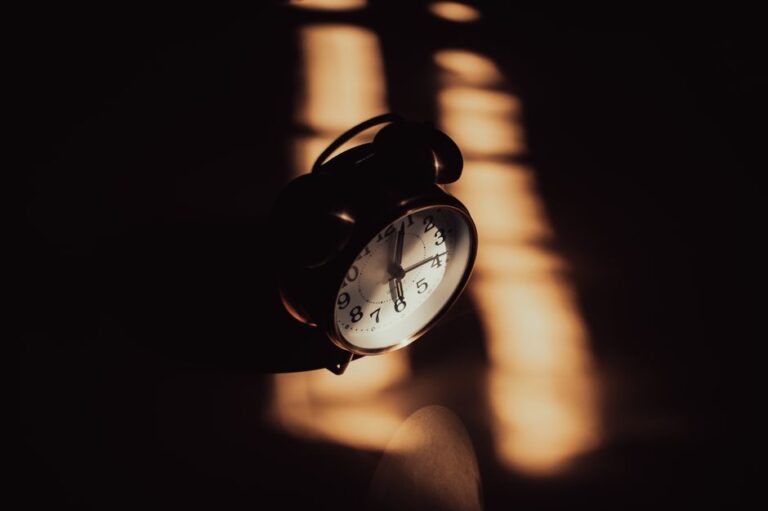
Why You Wake at 3 a.m.: Cortisol Spikes, Blood Sugar Dips, and Habits That Restore Deep Sleep
Waking at 3 a.m. is common and solvable. This guide explains how cortisol rhythms, blood sugar dynamics, and evening choices can trigger middle-of-the-night awakenings, and how targeted daytime and bedtime habits can restore deep, continuous sleep.
Most 3 a.m. awakenings trace back to two interacting systems. The first is the stress axis, which uses cortisol to keep you alert and safe. The second is metabolic stability, especially how your body manages glucose overnight. Understanding both reveals precise levers you can adjust to sleep through the night.
The circadian cortisol curve and stress arousals
Cortisol follows a daily rhythm. It should be lowest at bedtime, begin rising in the early morning, and peak after waking. If stress is elevated, the rise can surge earlier, causing a 3 a.m. alerting signal.
Common drivers include late-evening work or conflict, stimulating media, late high-intensity exercise, and inconsistent sleep schedules. These inputs keep your nervous system vigilant, priming light, fragmented sleep with frequent awakenings.
- Irregular bed and wake times confuse the circadian clock and disrupt cortisol timing.
- Blue-rich light late at night suppresses melatonin, increasing the chance of light Stage 1–2 sleep and awakenings.
- Overthinking in bed conditions the brain to associate the bedroom with problem-solving, not rest.
Nocturnal blood sugar dips and liver glycogen
Your brain needs steady fuel overnight. The liver normally releases glucose to keep blood sugar stable between meals and during sleep. If evening nutrition is too light on protein or fiber, too skewed to fast carbs, or too alcohol-heavy, blood sugar can drop later in the night.
When glucose dips, the body compensates by releasing counter-regulatory hormones, including cortisol and adrenaline, which can abruptly wake you. You may notice a quickened pulse, a warm flush, or racing thoughts.
- Low-fiber, high-sugar desserts close to bed can create a late-night spike-then-drop pattern.
- Long gaps between dinner and bedtime may deplete liver glycogen for some people.
- Under-eating during the day can compound the risk of nocturnal hypoglycemia.
Other common triggers around 3 a.m.
Several non-metabolic factors also cluster around early-morning awakenings and are worth ruling out.
- Alcohol fragments sleep and reduces deep sleep, making 3 a.m. awakenings more likely.
- Caffeine has a long half-life and can persist into the night, especially in sensitive individuals.
- Room warmth, noise, pets, a full bladder, reflux, or nighttime pain can trigger brief arousals that spiral into full wakefulness.
Evening habits that restore deep, continuous sleep
Light hygiene: dim, warm, and screen-savvy
Melatonin rises in darkness. In the last two hours before bed, keep lights low and warm. Reduce overhead brightness and avoid face-near screens when possible. If screens are necessary, dim them and use warm-tone settings.
- End stimulating work 60 to 120 minutes before bed to lower cognitive arousal.
- If you feel “wired but tired,” consider a quiet audio format or reading a printed book in dim light.
- Limit novelty-driven scrolling; it sustains dopamine-driven arousal. For help, explore ways to reset dopamine naturally and reduce overstimulation at night.
Dinner timing and composition for stable glucose
Aim for a balanced evening meal that includes protein, fiber, and healthy fats, with slow-digesting carbohydrates if you tolerate them well. This combination slows gastric emptying and supports more stable blood sugar.
- Eat dinner 2 to 4 hours before bed to allow digestion to progress without going to bed hungry.
- If you routinely wake hungry, a small balanced snack earlier in the evening may help. Evaluate the effect and adjust.
- Limit liquid sugar and dessert close to bedtime to avoid rebound drops later at night.
Wind-down routines that downshift the nervous system
Create a repeatable, brief ritual that signals safety and rest. Keep it simple and consistent so your brain learns the pattern.
- Light stretching or a warm shower can reduce muscle tension and facilitate heat loss afterward.
- Breathing techniques with slow exhales can ease arousal. Try a few minutes of gentle diaphragmatic breathing.
- Externalize worries by writing a short “tomorrow list” earlier in the evening to prevent rumination in bed.
Environment: cool, dark, quiet, and low-allergen
The sleep environment should minimize awakenings. A cool room supports deep sleep, while darkness and quiet reduce arousal.
- Target a cooler bedroom and use breathable bedding to prevent heat-related wakeups.
- Block ambient light and noise with blackout curtains and white noise if needed.
- Address allergens, reflux triggers, or nighttime pain with your clinician if they repeatedly disturb sleep.
Caffeine, alcohol, and exercise timing
Caffeine timing matters. People vary, but many sleep better when they keep caffeine to earlier hours. Alcohol can sedate initially but fragments sleep later, especially in the second half of the night.
- Avoid late-evening intense workouts if they leave you wired. Finish vigorous exercise earlier in the day when feasible.
- If you use alcohol, experiment with earlier, lighter intake and track the effect on awakenings.
- Hydrate earlier; taper fluids late to minimize bathroom trips at night.
What to do at 3 a.m.: a calm, evidence-informed protocol
Stimulus control: protect the bed-sleep association
If you wake and cannot fall back asleep within a reasonable window, get out of bed. This preserves the brain’s association of bed with sleep rather than wakeful effort.
- Move to a dim, quiet spot and do a low-arousal activity such as gentle reading.
- Avoid bright light, work tasks, and problem-solving. Keep conditions sleepy and boring.
- Return to bed only when sleepiness builds.
Reduce arousal without chasing sleep
Chasing sleep increases anxiety. Focus on calm rather than sleep itself. This counterintuitive shift often shortens wake time.
- Use slow breathing, a body scan, or soothing audio at low volume.
- If hunger is noticeable, a small balanced bite earlier in the evening the next day may help prevent recurrence.
- Consider a consistent wind-down schedule for the following night rather than last-minute fixes.
Daytime foundations that prevent 3 a.m. waking
Anchor your clock: consistent wake time, morning light, and daytime movement
Set a consistent wake time, even after a poor night. Morning light exposure helps align your circadian rhythm and stabilizes cortisol timing.
- Get outdoor light soon after waking to reinforce the internal clock.
- Build movement into the day. Regular activity supports deeper slow-wave sleep.
- If you train for sport, prioritize sleep to optimize your physical performance and recovery.
Manage total stress load and boundaries
Chronic stress shifts the cortisol curve. Proactive boundary setting, focused work blocks, and scheduled decompression reduce evening arousal.
- Batch demanding tasks earlier and protect a true off-ramp from work in the evening.
- Introduce brief pauses in the day for breathwork or a short walk to prevent cumulative overload.
- Keep the bedroom for sleep and intimacy to maintain a strong contextual cue for rest.
Stabilize blood sugar across the day
Even daytime swings in glucose can echo into the night. Balanced meals with protein and fiber, plus consistent meal timing, support steadier energy and sleep.
- Compose meals to include protein, colorful vegetables, whole-food fats, and minimally refined carbs.
- Notice how certain foods affect you and adjust. Tolerance is individual and may change with training load or cycle phase.
- For a deeper dive into midday energy and glucose dynamics, see strategies to stabilize blood sugar and focus during the day.
When to seek medical guidance
Occasional 3 a.m. waking is normal. Persistent sleep-maintenance insomnia, loud snoring with gasping, restless legs, chronic pain, hot flashes, frequent nocturia, thyroid symptoms, or low mood warrant evaluation.
- Discuss medications, supplements, and alcohol use with your clinician to identify sleep-disruptive effects.
- If you suspect sleep apnea or another sleep disorder, pursue formal assessment.
- Before using sleep aids or supplements, verify safety and interactions with a qualified professional.
Frequently Asked Questions
Why do I wake up at 3 a.m. even when I go to bed tired?
The combination of an early cortisol surge and a late-night glucose dip can create a perfect storm for wakefulness. Evening stimulation, irregular schedules, alcohol, or a light, high-sugar dinner often set this up. Stabilize light exposure, meal composition, and wind-down routines to reduce the trigger.
What should I eat at dinner to avoid 3 a.m. awakenings?
Choose a balanced plate with protein, fiber-rich vegetables, healthy fats, and slow-digesting carbohydrates if you tolerate them. Avoid large amounts of refined sugar close to bedtime. If you tend to wake hungry, experiment with dinner timing rather than adding heavy late snacks.
Is a bedtime snack helpful or harmful?
It depends on your context. If you go to bed hungry or have a pattern of nighttime dips, a small, balanced snack earlier in the evening can help. If you are comfortable and nourished after dinner, adding more late food may not be necessary. Track how you feel and adjust.
How long before bed should I stop caffeine and alcohol?
Sensitivity varies. Many people sleep better when caffeine stays to earlier hours, and when alcohol is limited or consumed earlier in the evening. Observe your personal response and move intake earlier if awakenings persist.
What is the best thing to do when I am awake at 3 a.m.?
Protect the bed-sleep link. If you cannot drift back within a short period, get up, keep lights dim, and do something quiet and non-stimulating until you feel sleepy again. Avoid screens, work, and bright light so your nervous system can settle.