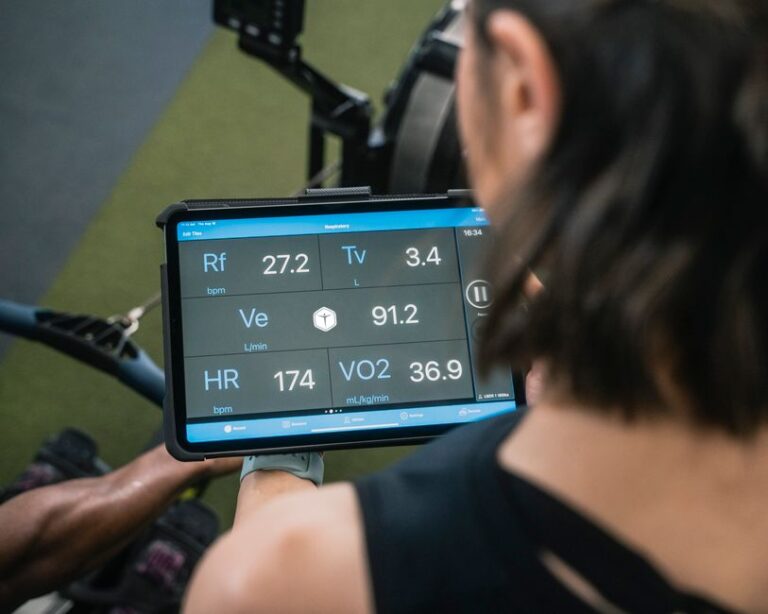
Heart Rate Variability (HRV) is a window into how your nervous system manages stress, recovery, and metabolic load. This guide explains what HRV is, how to measure it accurately, how to interpret the numbers without guesswork, and which daily habits reliably support stress resilience and metabolic health—so you can make practical changes, not chase gimmicks.
What Is HRV and Why It Matters for Stress and Metabolic Health
HRV is the millisecond variation between consecutive heartbeats. Higher variability generally reflects a flexible, well-regulated autonomic nervous system, especially strong parasympathetic (vagal) activity.
In plain English, good HRV suggests your “brakes” work: you can ramp up for effort and downshift to recover. Lower HRV often accompanies poor sleep, illness, high stress, alcohol intake, overtraining, and metabolic strain.
For metabolic health, research associates lower HRV with greater risk of insulin resistance, hypertension, and metabolic syndrome. HRV does not diagnose disease, but trends can flag when your biology is overtaxed and needs recovery-focused habits.
How to Measure HRV: Devices, Timing, and Protocols
HRV devices: ECG vs. PPG wearables
- Chest strap (ECG-based): Commonly offers accurate R–R intervals and is preferred for spot readings with apps that compute rMSSD or SDNN. Good for controlled morning measures and biofeedback sessions.
- Wrist/finger wearables (PPG-based): Devices like smartwatches and smart rings estimate HRV from optical signals, often during sleep. Nightly averages can be useful for long-term trends, though motion and sensor fit matter.
- Smartphone camera apps: Convenient but vary in quality. If you use one, standardize your protocol to reduce noise.
Time-domain metrics you will see
- rMSSD (root mean square of successive differences): Robust to breathing rate changes and widely used as a parasympathetic marker. Common for daily readiness.
- SDNN (standard deviation of NN intervals): Reflects overall variability across the recording; most informative with longer recordings.
Frequency-domain metrics (use with caution)
- HF power is influenced by respiration and vagal activity.
- LF power is not a pure “sympathetic” marker as once thought. Avoid simplistic LF/HF interpretations. For daily use, rMSSD is easier and less error-prone.
Best practices for measuring HRV
- Choose a consistent window: Either a morning measurement after waking, before caffeine and emails, or rely on a device’s nightly average. Consistency beats perfection.
- Standardize posture and breathing: Sit or lie down. Breathe naturally or use slow, steady breathing. If you do paced breathing, keep it consistent each day.
- Duration matters: For spot checks, 60–120 seconds can work for rMSSD; 5 minutes gives richer data if you have time and a good device.
- Control confounders: Note alcohol, late heavy meals, illness, travel, high-intensity workouts, and poor sleep. These can transiently suppress HRV.
- Artifact handling: Ectopic beats, movement, and poor contact can distort data. Use apps that filter artifacts and repeat a reading if you moved or coughed.
How to Interpret HRV Numbers Without Getting Lost
Use your baseline, not someone else’s
HRV is highly individual and changes with age, genetics, and training status. Compare today to your rolling baseline (for example, the past 2–4 weeks), not to a friend’s score.
A single low day is noise; a multi-day drop from baseline suggests real strain. Look for patterns, not perfection.
Units and typical patterns
- Units: HRV metrics like rMSSD and SDNN are in milliseconds.
- Circadian rhythm: Nighttime HRV is usually higher than daytime due to parasympathetic dominance during sleep.
- Aging: HRV often declines gradually with age; training, sleep, and stress management can support better-than-expected levels for your decade.
Context that shifts HRV normally
- Menstrual cycle: HRV can vary across phases; track over multiple cycles to understand your pattern.
- Altitude, heat, and travel: Environmental stressors often nudge HRV down temporarily.
- Training load: After intense sessions, HRV may dip before rebounding with proper recovery.
Red flags vs. useful signals
- Transient dips: A noticeable single-day drop after a hard workout or poor sleep is expected. Prioritize recovery habits and observe the rebound.
- Sustained suppression: Several days below baseline may signal accumulating stress, illness onset, or overreaching. Adjust training intensity, sleep, and nutrition.
- Sudden spikes: A sharp rise with elevated resting heart rate or malaise can also indicate strain. Context matters more than raw magnitude.
Daily Habits to Improve HRV, Stress Resilience, and Metabolic Health
Sleep: your first HRV intervention
- Regular schedule: Consistent bed and wake times stabilize your autonomic rhythm.
- Sleep environment: Dark, cool, quiet, and screen-free for 60 minutes before bed supports deeper sleep.
- Light cues: Morning daylight anchors circadian timing; minimize late-night bright light.
Breathing and HRV biofeedback
- Slow breathing: 4–7 breaths per minute with relaxed exhales can acutely raise HRV in many people.
- Coherence sessions: 5 minutes of slow, nasal, diaphragm-led breathing is an easy pre-meeting or pre-sleep reset.
- Posture: Upright, ribcage expansive posture improves diaphragm mechanics and vagal tone.
Training smart: zone 2, strength, and recovery
- Zone 2 aerobic: Conversational-pace cardio a few times a week supports mitochondrial function and often helps baseline HRV over time.
- Strength training: Build muscle for glucose disposal and joint resilience; balance intensity with recovery days.
- Active recovery: Walks, mobility work, and easy cycling keep blood flow up without taxing the system.
Nutrition and hydration for autonomic balance
- Balanced meals: Combine protein, fiber-rich carbs, and healthy fats to stabilize glucose and support satiety.
- Fiber and the microbiome: Diverse plants feed gut bacteria that influence inflammation and, indirectly, HRV-related physiology.
- Hydration and electrolytes: Dehydration raises heart rate and can depress HRV; sip fluids across the day.
- Alcohol caution: Even modest evening alcohol commonly reduces next-day HRV. Notice your own response.
Heat, cold, and nature exposure
- Sauna or heat sessions: Can act as cardiovascular training for some; start gently and mind contraindications.
- Cold exposure: Brief, controlled cold may improve stress tolerance for some individuals; avoid extremes, and prioritize safety.
- Time outdoors: Light, movement, and reduced rumination help nervous system regulation.
Mental load management
- Boundaries and breaks: Micro-breaks, monotasking, and saying no reduce chronic sympathetic drive.
- Social connection: Supportive relationships correlate with better stress resilience and can reflect in HRV trends.
- Mindfulness practices: Short, consistent sessions are more effective than sporadic marathons.
Putting HRV Into Daily Practice: A Simple Weekly Flow
- Morning or nightly reading: Capture one HRV value daily with a consistent method.
- Tag the day: Quick notes on sleep quality, alcohol, training, travel, illness symptoms, and major stressors.
- Adjust in real time: If HRV dips below baseline for several days, scale back intensity, extend sleep by 30–60 minutes, and add slow-breathing sessions.
- Review weekly: Look for cause-effect patterns. Keep what helps, drop what does not. Progress is pattern-based, not day-based.
Common Mistakes Beginners Make With HRV
- Chasing absolute numbers: Your baseline is the gold standard. Avoid comparison wars.
- Switching devices often: Device changes break trend continuity. Stick with one if possible.
- Ignoring context: HRV without notes is just a line. Pair it with behavior and environment.
- Overreacting to a single low day: Make decisions on trends, not outliers.
- Forcing extreme protocols: More stress is not better. Gentle consistency beats heroic bursts.
When to Be Cautious and Seek Professional Input
If you have cardiovascular conditions, arrhythmias, or are pregnant, discuss HRV tracking and training changes with a qualified healthcare professional. HRV is an educational metric, not a diagnostic tool.
I coach readers to “listen to your biology” and use HRV to guide addition, not subtraction: add sleep, add breath, add nutrient-dense meals. One reader I mentored stopped white-knuckling through the day and found relief in basics like roasted vegetables, steady protein, and evening wind-downs—her HRV trend followed her habits, not the other way around.
FAQs: HRV for Beginners
What is a good HRV score for adults?
There is no universal “good” number. HRV is individual and age-dependent. Track your 2–4 week baseline and aim for stability or gradual improvement relative to yourself.
How long should I measure HRV each day?
For spot checks, 60–120 seconds can work for rMSSD if your device and app handle artifacts. Many wearables compute nightly HRV during sleep, which is convenient for trend tracking.
Why did my HRV drop after a hard workout?
Acute training stress, dehydration, and sleep disruption can transiently lower HRV. This is normal. Support recovery and watch for rebound over the next 24–72 hours.
Can breathing exercises really change HRV?
Slow, diaphragmatic breathing often increases HRV during the session and can improve stress regulation over time when practiced consistently. Keep sessions short and repeatable.
Does caffeine affect HRV?
Caffeine can raise heart rate and may reduce HRV short term in some people, especially if taken soon before measuring. Standardize your intake relative to your daily reading for cleaner trends.
Relacionados
Cold Plunge vs Sauna: Which to Choose for Faster Recovery, Brown Fat Activation, and Better Insulin Sensitivity
How to Reset Your Circadian Rhythm: Precise Light, Meal, Caffeine, and Exercise Timing to Improve Sleep Quality, Insulin Sensitivity, and Daytime Energy
HRV for Beginners: How to Measure Heart Rate Variability, Interpret the Numbers, and Use Daily Habits to Improve Stress Resilience and Metabolic Health
Best Water Filters for Cooking and Drinking: What Each Type Removes, What It Misses, and the Health-First Pick for Every Budget