Fruit sugar (fructose) vs table sugar (sucrose): which to choose for stable glucose, lower triglycerides, and long-term liver health

If your goal is steady energy, calmer hunger, and durable liver health, the difference between fructose in whole fruit and sucrose in table sugar is not trivial. This guide explains how each behaves in your body, what that means for blood glucose and triglycerides, and how to make practical choices that protect your metabolism without falling into fear or food rules.
“Sugar is sugar” sounds tidy, but your digestive system and liver are not a math equation. Sucrose is a 50-50 mix of glucose and fructose. Whole fruit mainly delivers fructose and glucose packaged with water, fiber, polyphenols, and micronutrients. Those companions slow absorption, change hormonal responses, and feed your gut microbiome.
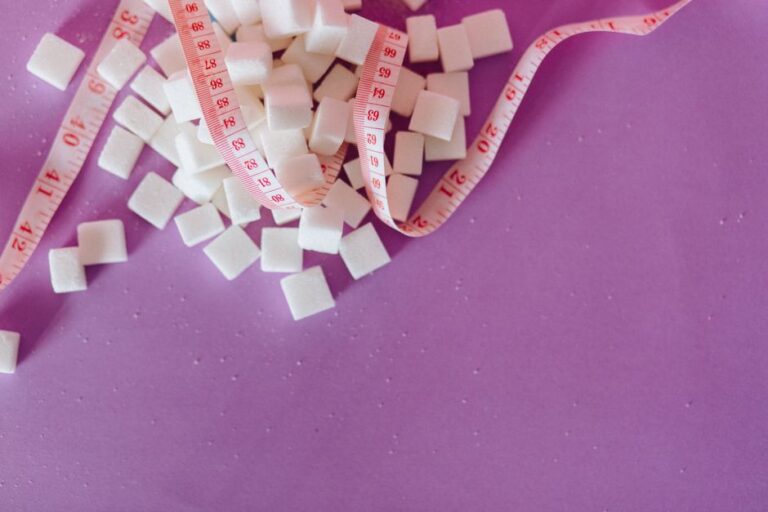
Here is the key distinction. Table sugar and sugar-sweetened beverages hit fast, spike glucose, and push the liver to convert excess fructose into fat. Whole fruit digests slower, flattens the glucose curve, and is consistently linked with better metabolic outcomes in observational research.
After you eat, enzymes in the small intestine split sucrose into glucose and fructose. Glucose enters the bloodstream quickly, raising blood sugar and insulin. Your muscles and brain use it for energy. Fructose takes a different route. It is mostly shuttled straight to the liver via the portal vein and metabolized there.
In moderate amounts, the liver can handle fructose, refill glycogen, and release minimal byproducts. In excess, especially when delivered as liquid sugar without fiber, the liver ramps up de novo lipogenesis, producing triglycerides and small lipid particles that circulate in the blood.
Chewing intact fruit is not the same as swallowing soda. The viscous fiber network in fruit slows gastric emptying and glucose absorption. Polyphenols in berries, apples, citrus, and grapes also influence carbohydrate digestion and the gut microbiome. Together, they reduce glycemic variability and post-meal triglyceride surges compared with the same sugars consumed as refined sweeteners.
This is the essence of real food: the matrix matters as much as the molecules.
Sucrose-heavy foods raise blood glucose faster because of rapid glucose delivery and minimal fiber. In contrast, most whole fruits have a lower glycemic impact per gram of carbohydrate, thanks to fiber and water content. Practically, this means fewer peaks and crashes, better satiety, and less “hanger.”
Adding fruit to a mixed meal further blunts spikes. Pair an apple with almonds or add berries to plain yogurt and you will likely see a steadier curve than if you ate the same carbohydrate from cookies or a sweetened latte.
Fruit juice strips away most of the fiber and concentrates sugars. Even 100% juice behaves much closer to sugar-sweetened beverages than to intact fruit in terms of speed of absorption and glycemic response. If you love juice, keep portions small and pair with protein or sip it alongside a high-fiber meal.
Controlled feeding studies show that high intakes of fructose or sucrose, particularly in liquid form, increase fasting and postprandial triglycerides compared with isocaloric starch or glucose. Mechanistically, the liver converts surplus fructose into fatty acids, packages them as triglycerides, and exports them as VLDL particles, contributing to hypertriglyceridemia.
Real-world dietary patterns echo this. Frequent intake of sugar-sweetened beverages is associated with higher triglyceride levels and increased risk of metabolic disease in large cohort studies. These signals remain after adjusting for total calories and body weight, indicating a biological effect beyond simple calorie math.
Excess added sugars, especially from beverages and ultra-processed desserts, are linked with hepatic fat accumulation and markers of NAFLD in both adults and children. Interventions that reduce added sugar intake tend to lower liver fat and improve triglycerides, even without dramatic weight loss. The pattern is strongest with liquid sugars and refined sweets, not with whole fruit.
If your focus is long-term liver health, minimizing routine exposure to sugar-sweetened beverages and large dessert portions is a high-yield move.
Prospective cohort research generally associates higher whole fruit consumption with lower risk of type 2 diabetes and cardiovascular disease. Studies examining liver outcomes suggest that fruit, within typical dietary patterns, does not increase liver fat and may be protective when it displaces refined sweets. The caveat is common sense: whole fruit helps most when it replaces, not adds on top of, sugary snacks.
For most people, a couple of servings of whole fruit per day fits beautifully into a balanced diet. If you monitor glucose, test your personal response. Many find berries and citrus to be the most glycemically friendly. Dried fruit and juices are more concentrated and can spike faster, so treat them like sweets.
The throughline is consistent. Dose and delivery matter. Liquid and refined sugars push the liver and triglycerides upward. Intact fruit within balanced meals supports stable glucose and long-term metabolic health.
I once spiraled into “clean eating” and became afraid of an apple’s natural sugar. That fear did more harm than any piece of fruit ever could. Balance wins. Listen to your biology, and use real food to nudge it in the right direction.
If any of these sound familiar, prioritize reducing added sugars from drinks and ultra-processed desserts before worrying about fruit.
No. Whole fruit delivers fructose with fiber, water, and polyphenols that slow absorption and alter liver handling. Controlled studies and population data link sugar-sweetened beverages, not intact fruit, with higher triglycerides and liver fat. Context and food matrix are the difference.
Both are concentrated sugars. Honey includes trace bioactives, but metabolically it is still largely glucose and fructose. The main levers are portion size, frequency, and what you eat alongside it. Use small amounts of whichever you prefer, and focus on overall dietary pattern.
Whole fruit can fit into prediabetes diets and is often associated with better outcomes. Monitor personal responses and emphasize lower-glycemic fruits like berries and citrus. Limit fruit juice and large servings of dried fruit, which act more like sweets.
Many people see improvements after reducing sugar-sweetened beverages and refined desserts. Triglycerides are responsive to short-term diet changes, especially when combined with higher fiber intake and regular physical activity.
Eliminate routine sugar-sweetened beverages and replace them with water or unsweetened tea. Next, build meals around protein, fiber, and real fats, and use whole fruit to satisfy sweetness without spiking glucose or triglycerides.