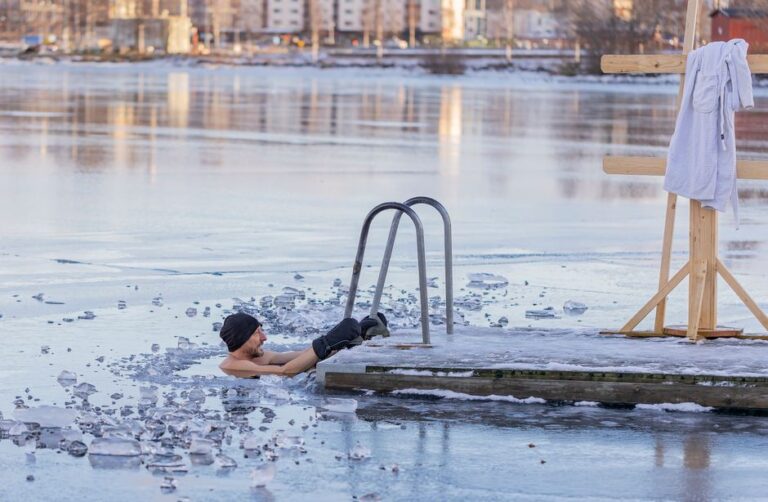
If you are choosing between a cold plunge and a sauna for faster recovery, brown fat activation, and better insulin sensitivity, here is a clear, research-informed guide. You will learn how heat and cold stress affect inflammation, muscle repair, the sympathetic and parasympathetic nervous systems, brown adipose tissue, and glucose metabolism, plus how to pick the right tool for your goals and schedule without derailing training gains or sleep.
Quick decision guide: pick cold plunge for acute inflammation control, pick sauna for metabolic conditioning
Both modalities are forms of hormesis, meaning controlled stress that nudges your biology to adapt. Cold is sharper and immediate; heat is steadier and systemic. Choose the one that matches your primary goal and training calendar.
- Goal: faster recovery right after intense workouts — cold plunge can dampen acute inflammation and perceived soreness.
- Goal: brown fat activation and thermogenesis — cold exposure is the direct trigger; sauna may support metabolism indirectly.
- Goal: better insulin sensitivity and cardio-metabolic health — sauna shows strong associations; cold may help via adipose and catecholamines.
- When in doubt — use sauna on rest days for metabolic support; use brief cold on non-hypertrophy days if soreness is limiting function.
How Cold Plunge Works: Recovery, Brown Fat, and Insulin Sensitivity
Cold plunge for faster recovery: inflammation, soreness, and performance trade-offs
Cold exposure rapidly constricts blood vessels, blunting swelling and dampening inflammatory signaling. This can reduce soreness and help you feel ready sooner. That said, inflammation is also part of the muscle-building signal. Going straight from heavy strength training into aggressive cold can, in some contexts, mute hypertrophy signaling.
- Best use-case: team sports weeks, tournaments, high-frequency training blocks, and scenarios where function tomorrow matters more than maximal adaptation.
- Use caution for hypertrophy: if building muscle is the priority, delay cold several hours post-lift or save it for endurance days.
- Perceived recovery: cold often improves subjective energy and mood via catecholamine release, which may support consistency.
Cold exposure and brown fat activation: thermogenesis and metabolic effects
Brown adipose tissue (BAT) is metabolically active fat packed with mitochondria that burn fuel to generate heat. Cold is the clearest environmental trigger for BAT activation and may promote “browning” of white fat into beige fat. Mechanistically, cold stimulates the sympathetic nervous system and norepinephrine, upregulating uncoupling proteins that turn calories into heat.
- Repeated mild cold exposures appear to sustain BAT activity more than rare extreme bouts.
- Shivering is not required for adaptation; mild to moderate cold stress performed consistently can be effective.
- People vary widely in BAT presence and responsiveness based on genetics, age, and prior cold exposure.
Cold plunge and insulin sensitivity: where it may help
Cold can increase glucose uptake transiently in skeletal muscle and brown fat, in part through catecholamine signaling and thermogenesis. Over time, improved body composition and BAT activity may support insulin sensitivity. The evidence base is evolving, and responses are individual, but pairing cold with real-food habits, sleep, and resistance training is a pragmatic path.
- If blood sugar is a concern, prioritize whole-food meals rich in fiber and protein, then use cold exposure as an adjunct, not a main therapy.
- Avoid cold right after a high-carb meal if you are sensitive to adrenaline; the sympathetic surge can feel uncomfortable.
- If you are on glucose-lowering medication, consult your clinician before adding intense cold.
How Sauna Works: Heat Stress for Recovery and Insulin Sensitivity
Sauna for faster recovery: circulation, relaxation, and sleep
Sauna induces vasodilation and elevates heart rate similar to moderate exercise. Increased blood flow can help deliver nutrients and clear metabolic byproducts. Heat also shifts the nervous system toward relaxation post-session, which can improve sleep quality, a powerful driver of recovery.
- Use after training or in the evening to unwind, provided heat does not disrupt your personal sleep latency.
- Hydrate and replace electrolytes; heat stress increases sweat losses that matter for next-day performance.
- If you are heat sensitive, build tolerance gradually rather than pushing duration.
Heat shock proteins and adaptation: protecting cells without blunting gains
Sauna raises heat shock proteins that help repair and stabilize cellular machinery. Unlike immediate cold post-lift, heat does not show the same risk of blunting hypertrophy signaling when used reasonably. Many athletes use sauna on lift days without reporting adaptation issues, but intensity and proximity still matter.
- As a rule of thumb, give yourself time to cool and rehydrate before bed to keep sleep solid.
- If your training session is maximal, separate heavy lifting and very long sauna bouts by a few hours.
- Monitor your readiness and adjust heat load like you would adjust training volume.
Sauna and insulin sensitivity: cardiometabolic upside
Regular sauna use is associated with improvements in cardiometabolic markers and lower cardiovascular risk in observational studies. Mechanisms may include improved endothelial function, reduced blood pressure, and mild, repeated cardiovascular conditioning that enhances insulin sensitivity over time. While associations do not prove causation, the signal is consistent across multiple cohorts.
- People with limited capacity for aerobic exercise may find sauna a useful adjunct to support metabolic health.
- Pair sauna with fiber-rich meals, movement, and adequate protein for synergistic effects on insulin sensitivity.
- If you have uncontrolled blood pressure or cardiovascular disease, get medical clearance before high-heat sessions.
Cold Plunge vs Sauna for Brown Fat, Recovery, and Glucose: Practical Programming
For brown fat activation: cold-first, consistent, and modest
For BAT, consistency beats heroics. Aim for repeatable exposures that make you uncomfortably cold but safe, and recover fully afterward. Mild shiver is a signal you have crossed a useful threshold, not a requirement to suffer.
- Morning cold can sharpen alertness and help set a robust circadian signal.
- If you pair with sauna, finish cold to maintain the thermogenic driver.
- On rest days, brief cold plus a brisk walk maintains the signal without taxing recovery.
For faster recovery: match tool to training type
What you do today should serve what you want tomorrow. Put the right stress in the right place.
- Strength and hypertrophy days: avoid immediate aggressive cold; use sauna or wait several hours before a short cold bout.
- Endurance or high-volume mixed training: cold can reduce soreness and joint irritation; sauna later supports relaxation.
- Competition blocks or congested schedules: prioritize functionality with short cold exposures post-event.
For insulin sensitivity: heat as the base, cold as a bonus
For most people, sauna is the steadier ally for insulin sensitivity, with cold an optional add-on through BAT and energy expenditure. The foundation still lives in the kitchen and the bedroom: whole-food meals, fiber for the microbiome, protein for satiety, and seven to nine hours of sleep.
- Use sauna multiple times per week in manageable bouts, rehydrating well.
- Add cold on alternate days or after a walk if you enjoy it and it fits your routine.
- Track your energy, appetite, and sleep; adjust duration and frequency accordingly.
Contrast Therapy: Alternating Cold and Sauna
When to alternate and when to keep it simple
Alternating cold and heat can feel incredible and may amplify circulation changes. For recovery without blunting strength adaptations, consider finishing cold on endurance days and finishing heat on strength days. If sleep is your bottleneck, finish warm earlier in the evening.
- Goal-driven sequence: finish on the modality that serves the next 12 to 24 hours.
- Keep transitions smooth; avoid extreme swings if you are new or have cardiovascular risks.
- If you get dizzy or overly fatigued, shorten sets and increase rest.
Safety, Individual Differences, and Smart Progression
Who should be cautious with cold plunge
Cold can trigger strong sympathetic responses and blood pressure swings. People with cardiovascular disease, arrhythmias, Raynaud’s phenomenon, or uncontrolled hypertension should seek medical advice. Pregnancy and certain neuropathies warrant caution.
- Enter and exit slowly; breathing control matters more than bravado.
- Avoid hyperventilation techniques in water for safety.
- Warm up gradually afterward to avoid afterdrop.
Who should be cautious with sauna
Heat raises heart rate and lowers blood pressure. If you have uncontrolled hypertension, cardiovascular disease, or are on medications that impair sweating, talk to your clinician first. Avoid alcohol with sauna and hydrate before and after.
- Watch for lightheadedness; sit lower on the bench or shorten sessions.
- Replace fluids and electrolytes to protect performance and cognition.
- Give yourself cooling time before sleep.
Kitchen Basics Meet Stress Physiology: The Real Levers
Why your meals still drive recovery and insulin sensitivity
Listen to your biology. Food quality, sleep, and movement decide 80% of your outcomes; cold and heat are powerful spices, not the meal. I used to worship calorie math alone. Then I learned that quality changes hormones, cravings, and the microbiome. A bowl of roasted vegetables with olive oil and a protein anchor will do more for insulin sensitivity than any plunge.
- Add, do not subtract: more fiber, more protein, more water. Ditch the diet, keep the kitchen basics.
- Roast vegetables hard: olive oil, salt, pepper, garlic; let the edges caramelize for satiety and joy.
- Protect sleep as if it were training; both cold and heat land best on a well-rested nervous system.
Putting It All Together: Choose Your Primary Tool
Simple templates you can adapt without overthinking
Pick the one that solves your biggest bottleneck this month, then layer the other if needed.
- Recovery-first template: sauna most training days for relaxation and circulation; brief cold after endurance or competition days when soreness spikes.
- Metabolic-first template: sauna three to five times weekly for insulin sensitivity support; sprinkle short, consistent cold exposures for brown fat activation.
- Minimalist template: one to two cold sessions weekly in the morning, one to two sauna sessions in the evening, and daily real-food meals that feed your microbiome.
Track response and iterate
Use a simple journal: energy, sleep, soreness, appetite, mood. If a tool worsens sleep or training quality, adjust timing or intensity. Biology rewards consistency more than extremes.
Frequently Asked Questions
Is a cold shower good enough for brown fat activation compared to a cold plunge?
Yes, especially for beginners. Repeated exposure to uncomfortably cold water, even in a shower, can stimulate the same pathways that activate brown fat. The key is consistency and reaching a meaningful cold stimulus, not maximal intensity.
Will a post-workout cold plunge kill my muscle gains?
It can blunt hypertrophy signaling if used immediately and aggressively after heavy strength training. If building muscle is your top priority, delay cold for several hours or reserve it for endurance days. Moderate, well-timed cold is unlikely to derail long-term progress when programming is sound.
Which is better for insulin sensitivity: sauna or cold plunge?
Sauna has stronger and more consistent associations with improved cardiometabolic health. Cold can help indirectly through thermogenesis and body composition changes. For most people, sauna is the base and cold is a useful bonus.
Can I do sauna and cold plunge on the same day?
Yes. Alternate if you enjoy it and finish with the modality that fits your goal. Finish cold for alertness or endurance recovery; finish heat for relaxation and sleep. Build gradually and avoid extremes if you have cardiovascular risks.
How many minutes should I spend in cold or heat?
There is no universal prescription. Start conservatively and progress based on comfort, safety, and how you feel the next day. Short, consistent sessions often outperform occasional marathons. If you have medical conditions or take medications, get clearance before pushing duration or intensity.
Relacionados
Cold Plunge vs Sauna: Which to Choose for Faster Recovery, Brown Fat Activation, and Better Insulin Sensitivity
How to Reset Your Circadian Rhythm: Precise Light, Meal, Caffeine, and Exercise Timing to Improve Sleep Quality, Insulin Sensitivity, and Daytime Energy
HRV for Beginners: How to Measure Heart Rate Variability, Interpret the Numbers, and Use Daily Habits to Improve Stress Resilience and Metabolic Health
Best Water Filters for Cooking and Drinking: What Each Type Removes, What It Misses, and the Health-First Pick for Every Budget