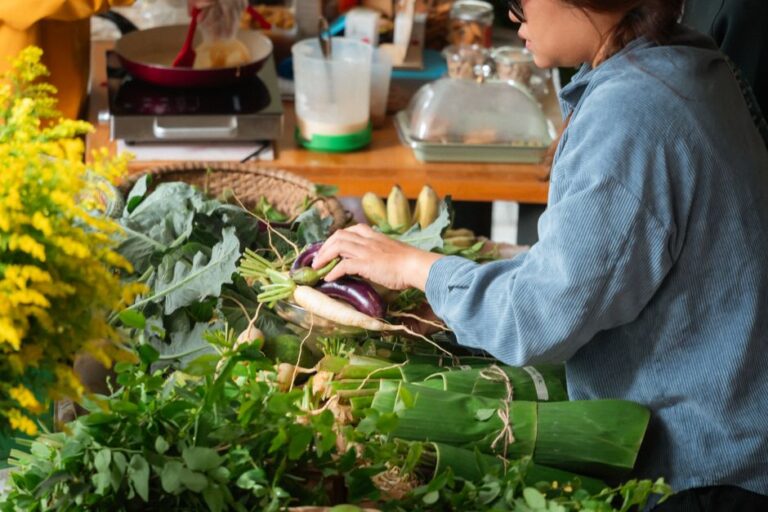
Understanding the Importance of a Well-Organized Pantry
A well-organized pantry is essential not only for optimal nutrition but also for fostering sustainable cooking practices that benefit both your health and the environment. An organized pantry allows you to easily access healthy ingredients, helps reduce food waste, and supports eco-friendly culinary habits. By strategically arranging your pantry, you can contribute to a balanced diet while minimizing your carbon footprint.
Steps to Organize Your Pantry for Nutrition
Creating a functional and appealing pantry that promotes healthy eating requires a systematic approach. Below are comprehensive steps to effectively organize your pantry:
- Clean and Declutter: Begin by fully emptying your pantry. As you do this, check expiration dates and discard any expired items. This initial step is crucial, as it sets a clean slate for reorganization.
- Group Similar Items: Organize your food products into categories such as grains, legumes, spices, and snacks. Grouping similar items allows for easier access and helps streamline meal preparation.
- Prioritize Healthy Options: Ensure that nutritious ingredients like whole grains, nuts, and dried fruits are easily accessible. Placing them at eye level not only highlights their importance but also encourages you to incorporate them into your meals.
- Utilize Clear Containers: Store your items in clear, labeled containers. This practice aids in portion control and significantly reduces the likelihood of spoilage, which can lead to waste.
- Implement a First-In, First-Out System: Position newer items behind older ones to ensure you use up older products first. This simple system prevents food from going to waste and keeps your pantry fresh.
Essential Pantry Staples for Nutritional Balance
Stocking your pantry with the right staples is crucial for maintaining a balanced diet. Here are several key items that should find a permanent place on your shelves:
- Whole Grains: Items like brown rice, quinoa, and oats are not only excellent sources of fiber but also packed with nutrients that support overall health.
- Legumes: Lentils, chickpeas, and beans provide essential plant-based protein and are rich in vitamins and minerals required for balanced nutrition.
- Nuts and Seeds: Almonds, walnuts, and chia seeds are packed with healthy fats and serve as fantastic snacks to keep you satisfied between meals.
- Spices and Herbs: Freshness enhances flavors without adding calories. Keeping a diverse collection of spices and herbs allows for creativity and variety in your meal preparations.
- Healthy Oils: Incorporate oils like olive oil and coconut oil in your pantry. These can be utilized in cooking while providing beneficial fats that support heart health.
Creating an Eco-Friendly Pantry
Incorporating eco-friendly practices into your pantry organization can significantly reduce your environmental impact. Implementing green strategies not only benefits the planet but can also save you money. Consider the following practical steps:
- Choose Bulk Items: When possible, purchase grains, nuts, and other pantry staples in bulk to minimize packaging waste. This practice often proves to be cost-effective as well.
- Opt for Reusable Containers: Replace single-use packaging with durable glass or BPA-free plastic containers. These options not only preserve freshness but also contribute to a healthier planet.
- Grow Your Own Herbs: Cultivating herbs at home greatly reduces the need for store-bought products and minimizes transportation emissions, making it a beneficial practice for both the environment and your cooking.
- Compost Food Scraps: Rather than discarding vegetable peels and scraps, consider composting them. This practice enriches your garden while actively reducing waste.
- Support Local Producers: Whenever feasible, purchase from local farms to encourage sustainable agricultural practices and reduce your carbon footprint.
Maintaining Your Organized Pantry
After achieving an organized pantry, regular maintenance is vital for long-term success. Here are some effective tips for keeping your pantry in top shape:
- Regularly Audit Your Supplies: Perform an inventory check every few months to remove expired items and restock essentials. This proactive approach helps in maintaining a fresh supply of ingredients.
- Make a Meal Plan: Planning meals based on your pantry contents not only reduces waste but also helps keep your grocery budget in check. Incorporating a variety of items from your pantry can inspire creativity in your cooking.
- Incorporate Seasonal Foods: Emphasizing the use of seasonal ingredients in your cooking supports sustainable farming practices and further reduces transportation emissions.
Frequently Asked Questions
How do I keep my pantry organized in the long term?
Regularly audit your supplies, maintain a meal plan, and adapt your organization based on your cooking habits. Consistency is key.
What are the best containers for pantry storage?
Choose clear, airtight containers made from glass or BPA-free plastics to preserve both freshness and visibility. This will also help you monitor your stock effectively.
How often should I clean my pantry?
It is advisable to clean and reorganize your pantry every few months, examining expiration dates and restocking essential items as necessary.
Can I compost items from my pantry?
Yes, vegetable scraps, old grains, and specific expired items can be composted to minimize waste while enriching your garden.
What should I do with expired items?
Dispose of expired products in accordance with local waste management guidelines, aiming to compost or recycle whenever it is possible.
Call to Action
Transform your cooking and dietary habits today! Start organizing your pantry for optimal health and sustainability. Visit our website for in-depth resources and tips on conscious cooking and mindful eating.