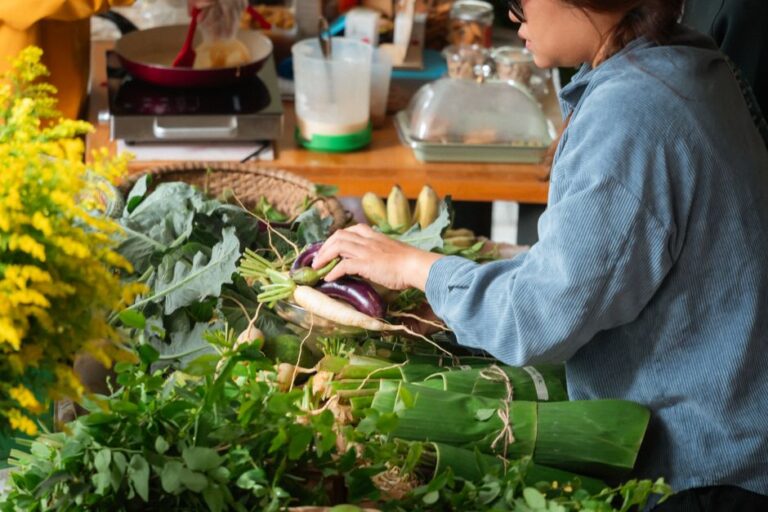
Creating a Mindful Cooking Environment
Cooking can be a transformative experience, especially when approached with mindfulness. By cultivating a conscious atmosphere in the kitchen, you can elevate your culinary endeavors while fostering a deeper connection with food. This article explores practical steps to create a mindful cooking environment that not only enhances your dishes but also promotes overall well-being and joy in the everyday cooking experience.
Understanding the Principles of Mindful Cooking
Mindful cooking is rooted in the principles of awareness and intention. It encourages an engagement with the cooking process and the ingredients themselves. Here are some key concepts to consider and how they can be integrated into your cooking routine:
- Awareness: Cultivate a profound sense of presence while cooking. Focus on the colors, textures, and aromas of your ingredients. For instance, as you chop vegetables, pay attention to their vibrancy and fresh fragrances, allowing yourself to be fully immersed in the sensory experience.
- Intention: Approach each cooking session with a clear purpose, whether it’s for nourishment, enjoyment, or sharing with others. Before you begin, think about why you’re cooking—perhaps it’s to explore a new recipe, bring comfort to a loved one, or prepare a meal that honors the seasons.
- Gratitude: Acknowledge the journey of your ingredients, from farm to table, and express appreciation for the food you prepare. This could involve reflecting on the farmers who grew your vegetables or the community that provided your meats and grains, fostering a deeper respect for the food you consume.
The Role of Environment in Mindful Cooking
Your kitchen environment significantly influences your cooking experience. A cluttered or chaotic space can distract you from the joy of cooking. Here are several ways to enhance your kitchen environment for a more mindful cooking experience:
- Declutter: Remove unnecessary items from countertops and shelves. A clean, organized space promotes calmness and focus, allowing you to channel your energy into cooking.
- Incorporate Natural Elements: Use plants, herbs, or fresh flowers to create a lively atmosphere. These elements can stimulate your senses and improve air quality, creating a more pleasant cooking experience overall.
- Designate Specific Areas: Create dedicated zones for preparation, cooking, and cleaning. This separation can streamline your processes and reduce stress, enabling you to move fluidly from one task to another without feeling overwhelmed.
Essential Practices for Mindful Cooking
In addition to creating an inviting kitchen environment, certain practices can further enhance your mindfulness during the cooking process. These practices encourage a more engaged and fulfilling culinary experience:
1. Pre-Cooking Rituals
Establishing a set of rituals before you begin cooking can help center your thoughts and prepare you for the task at hand. Here are some effective pre-cooking rituals:
- Deep Breathing: Take a few moments to breathe deeply, letting go of outside distractions. This simple act can set a serene tone for your cooking session.
- Set an Intention: Decide what you want to cultivate during cooking—be it creativity, relaxation, or nourishment. For example, you might say to yourself, “Today, I will cook with joy and share this meal with love.”
- Choose Music Mindfully: Select calming or uplifting music that complements your cooking mood. Create a playlist that inspires you or helps to keep you grounded as you work.
2. Engage Fully with Ingredients
Understanding your ingredients is fundamental to mindful cooking. Try the following approaches to build a connection with what you use:
- Observe: Note the colors, shapes, and textures as you prepare your ingredients. This engagement not only makes cooking more enjoyable but also enhances your awareness of the food.
- Smell: Engage your sense of smell by taking in the aromas of fresh herbs, spices, and produce. Smelling the ingredients allows you to savor them before they even touch your palate.
- Taste: Sample your ingredients as you cook. This practice builds awareness of flavors and ensures your dish is seasoned correctly, making you more attuned to the balance of tastes.
3. Embrace the Cooking Process
Instead of rushing through the steps, take time to enjoy each phase of cooking. Here are ways to embrace the journey:
- Slow Down: Allow yourself to enjoy the experience without focusing solely on the end result. Imagine the process as an art form where each step contributes to the whole.
- Mindful Movement: Pay attention to how your body moves while chopping, stirring, or kneading. Feel the texture of the dough or the rhythm of your knife slicing through vegetables.
- Stay Present: Remind yourself to focus on the moment instead of worrying about future tasks. If distractions arise, gently acknowledge them and return to your cooking.
Sharing Your Mindful Cooking Experience
Mindful cooking can extend beyond your kitchen, especially when shared with others. Creating connections through food deepens the mindful experience:
- Cook Together: Engage friends or family in the cooking process, promoting connection and collaboration. Consider hosting a cooking night where everyone contributes.
- Share the Meal: Present your dish carefully, taking time to appreciate the visual aesthetics before serving. Allow your guests to see the love and effort you’ve put into your creation.
- Discuss the Process: Share your cooking experiences, thoughts, and insights with those you cook for. Encourage conversations about flavors, memories, and personal touches added to the meal.
Frequently Asked Questions about Mindful Cooking
What is mindful cooking?
Mindful cooking involves engaging fully in the cooking process while being aware of your thoughts, feelings, and sensations experienced through ingredients and methods. It’s about being present and connected with what you’re doing.
How can I create a calming kitchen environment?
Declutter your space, incorporate natural elements, and create designated areas for different tasks to maintain a peaceful atmosphere. Aim to create a setting that resonates with tranquility and focus.
Why is intention important in cooking?
Setting intentions fosters a deeper connection to your food and enhances your cooking experience, whether for personal enjoyment or communal sharing. Intent helps guide your actions and thoughts as you cook, making for a more enriching experience.
Can music help create a mindful cooking environment?
Yes, music can set the tone in your kitchen, helping to create a calming or energizing atmosphere that complements your cooking practice. Choose music that aligns with your cooking goals, enhancing your focus or uplifting your spirit.
How can I include mindfulness in my cooking routine?
Incorporate rituals like deep breathing, engaging with ingredients, and focusing on each step of the cooking process to enhance mindfulness. These practices can transform cooking from a chore into a joyful and intentional experience.
In conclusion, embracing mindful cooking is a journey that enriches both your kitchen experience and your relationship with food. By fostering awareness, intention, and gratitude, you create a space where culinary creativity can flourish. So take a moment to reflect, set your intentions, and step into your kitchen with mindfulness. Experience the magic of cooking with heart and soul.
If you’re ready to enhance your culinary practices through mindfulness, start by integrating these tips into your cooking routine. Discover the joy and fulfillment that comes from a more conscious approach to your kitchen adventures.