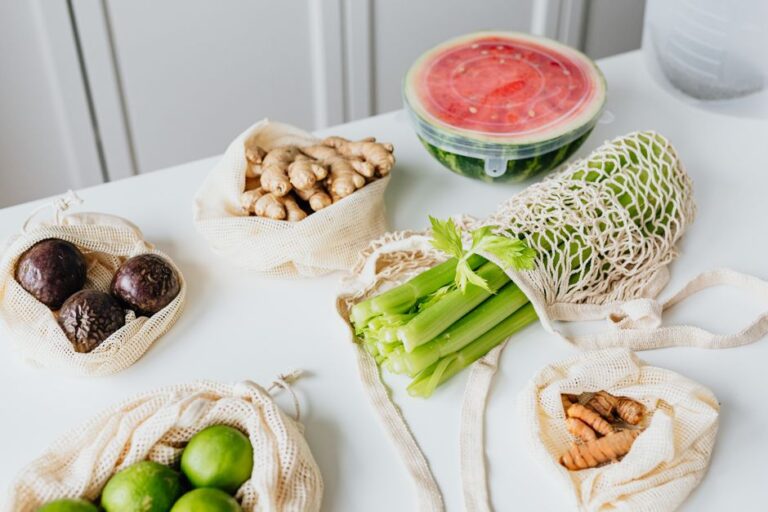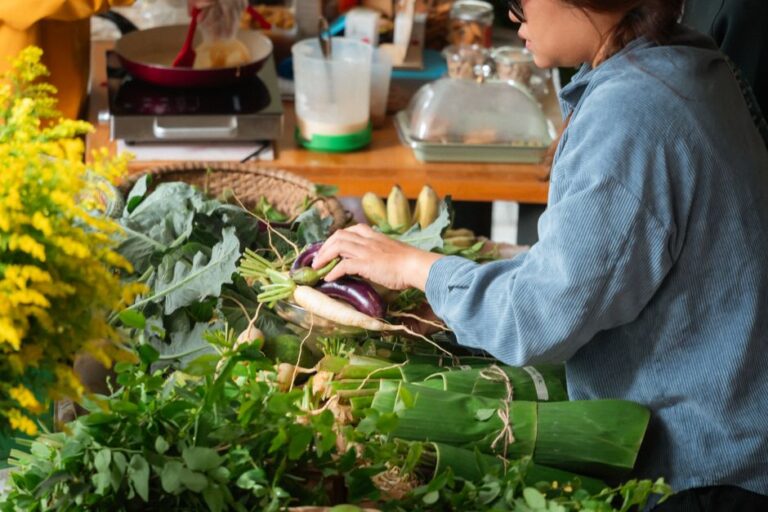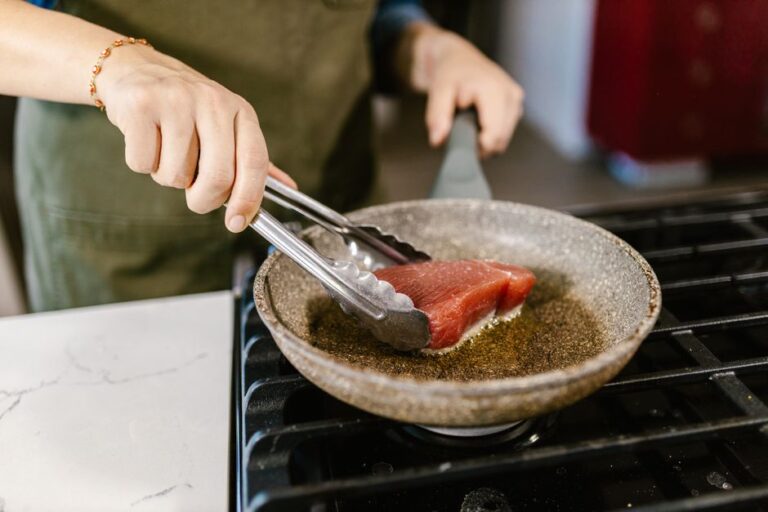
In a world increasingly aware of pressing environmental challenges, adopting zero-waste meal preparation has emerged as a pivotal practice for conscious eaters. This comprehensive guide provides valuable insights and practical advice on how to embrace a zero-waste approach in your kitchen. By minimizing food waste and maximizing the use of every part of an ingredient, you’ll not only contribute to a healthier planet but also enhance your culinary skills. This journey toward sustainable living begins with intentional choices and mindful cooking.
Understanding Zero-Waste Principles in Cooking
Zero-waste cooking focuses on minimizing food waste by reevaluating how we prepare, cook, and consume our food. Embracing this culinary philosophy fosters not only an eco-friendly kitchen but also supports a healthier lifestyle. Below are key principles to recognize:
- Planning Meals: Creating a detailed meal plan enhances your shopping efficiency and reduces the likelihood of impulse purchases, which often lead to waste.
- Using Leftovers: Incorporating leftovers into new dishes not only minimizes waste but can also lead to exciting culinary innovations.
- Whole Ingredients: Choosing whole foods enables you to utilize every part of an ingredient, reducing waste and adding nutrition to your meals.
- Composting: Responsibly disposing of food scraps helps enrich soil health and promotes sustainable gardening practices.
- Smart Storage: Properly storing ingredients prolongs their freshness and usability, further mitigating waste.
Meal Planning for Sustainability
Effective meal planning serves as the cornerstone of zero-waste cooking. Here are practical steps to create a more sustainable meal plan:
- Assess Your Pantry: Begin by checking your pantry and fridge for items that require immediate use. This prevents the waste created by overlooked food items.
- Set Clear Goals: Define how many meals you intend to prepare and how much time you can realistically devote to cooking each week. Organizing your time effectively can make meal preparation manageable.
- Choose Seasonal Ingredients: Opt for seasonal produce, which tends to be fresher and more affordable. This not only reduces your carbon footprint but also supports local farmers.
- Batch Cooking: Preparing larger quantities of meals allows you to save time and ensures that excess food does not go to waste. Batch cooking can also facilitate quick meal solutions throughout the week.
Incorporating Flavorful Adaptations
Finding creative uses for ingredients can significantly enhance the flavor and reduce waste in your cooking. For example, turning overripe fruits into smoothies or sauces not only prevents them from being thrown away but also adds unique flavors to your meals. Additionally, incorporating herbs and spices that might be wilting can infuse a rich depth of flavor.
Effective Techniques for Zero-Waste Meal Preparation
Implementing specific techniques can significantly improve your zero-waste meal preparation. By honing your focus on these methods, you can maximize the value of your ingredients while substantially reducing waste.
- Repurposing Scraps: Many vegetable trimmings can be repurposed to make delicious broths or stocks. For instance, onion peels, carrot tops, and even corn cobs are ideal for adding depth to your dishes.
- Utilizing Stems and Leaves: Do not disregard the hearty stems from herbs or leafy greens. They can be deliciously incorporated into salads, smoothies, or sautéed dishes, enhancing nutritional value.
- Freeze for Later: Freezing excess ingredients helps preserve food that may otherwise spoil. This practice is particularly useful for herbs, ripe fruits, and even complete meals.
- Creative Cooking Techniques: Engaging in techniques such as pickling or fermenting not only elevates flavors but also extends the lifespan of various ingredients.
Cooking with Intention
Cooking with intention encourages mindfulness in the kitchen. By recognizing the impact of your cooking choices, you help promote a zero-waste lifestyle and develop a deeper connection to your food.
- Mindful Eating: Focus on portion sizes to minimize leftovers that could end up wasted. This encourages a more conscious attitude toward consumption.
- Engage Your Community: Consider sharing excess food with neighbors or donating to local food banks, contributing to broader efforts to minimize food waste at the community level.
- Educate Yourself: Take time to learn about the environmental impact of food choices. This knowledge fosters a deeper appreciation for your meals and the resources involved in their creation.
Frequently Asked Questions
What is zero-waste meal preparation?
Zero-waste meal preparation is a cooking philosophy dedicated to reducing food waste throughout the entire culinary process, encompassing everything from planning and shopping to cooking and storage.
How can I start my zero-waste cooking journey?
You can begin by assessing the contents of your pantry, creating an effective meal plan, and creatively utilizing leftovers. Gradually integrate sustainable practices into your cooking routines to develop your skills and awareness.
Can I still enjoy food while practicing zero-waste cooking?
Yes! Zero-waste cooking enhances your culinary experience by encouraging creativity and experimentation with ingredients, often leading to unique and delightful meals.
What should I do with inedible kitchen scraps?
Consider composting inedible scraps such as vegetable peels and eggshells. Composting enriches soil health, contributing positively to your garden or local community gardens.
How can I extend the shelf life of my food?
To prolong the freshness of your food, store items properly using airtight containers, and freeze any excess ingredients. Familiarize yourself with best storage practices tailored to specific food types, ensuring longevity and usability.