Complete Guide to Cooking Oils for Hormone Health: Smoke Points, Omega Ratios, Refining Methods, and the Best Uses for Sautéing, Roasting, and Dressings

Embracing waste-free cooking is not only beneficial for the environment but also enhances your culinary experience. By minimizing waste in your kitchen, you create an opportunity to savor the joy of cooking while making a positive impact on the planet. This guide offers essential techniques for adopting conscious culinary practices that align with sustainability.
Waste reduction is vital in today’s world, where sustainability is increasingly important. By focusing on waste-free cooking, you can significantly decrease your kitchen’s environmental footprint while enjoying the culinary process. Here are a few key reasons why it matters:
Implementing specific techniques can transform your cooking practices and help fulfill your goal of a waste-free kitchen. Below are some key strategies to consider:
Meal planning is one of the most effective methods to minimize food waste. Here’s how to implement it effectively:
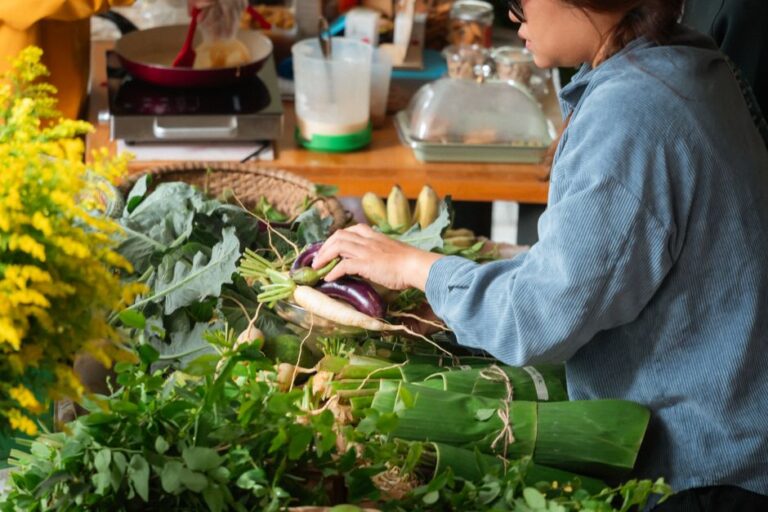
Utilizing whole foods is not only beneficial to your health but also minimizes waste. Consider these methods:
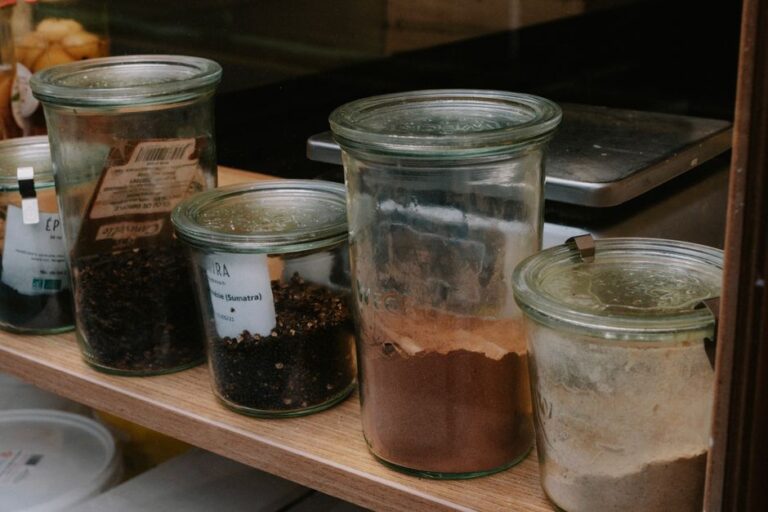
Proper food storage is essential for prolonging the life of your ingredients and reducing waste. Here are some effective storage methods:
Incorporating eco-friendly practices into your cooking can further enhance your waste-free efforts. Here are some strategies to consider:
Modern kitchen appliances can help you save energy while cooking. Think about these options:
Composting is an excellent way to handle kitchen waste effectively and enrich the soil at the same time. To get started:
Adjusting your cooking techniques can also contribute to waste minimization. Here are some practices worth implementing:
Waste-free cooking focuses on minimizing food waste through careful planning and mindful practices, ultimately creating a more sustainable cooking environment.
Meal planning allows you to use ingredients efficiently and helps avoid unnecessary purchases, thereby reducing waste and fostering better culinary habits.
Whole foods such as grains, legumes, and seasonal vegetables tend to produce less waste compared to processed foods, making them ideal for waste-free cooking.
Begin by setting up a compost bin for vegetable scraps and educating yourself on what materials are compostable, ensuring a successful composting process.
Energy-efficient appliances conserve energy, reducing utility costs and minimizing environmental impact while providing effective cooking solutions that enhance your culinary experience.
If you’re ready to embrace waste-free cooking and make a meaningful impact, start implementing these strategies today. Transform your kitchen habits and contribute to a more sustainable future while enjoying the art of cooking.