
How to Plan a Week of Blood‑Sugar‑Steady Meals: Grocery List, Batch Prep Steps, and 10‑Minute Assemblies

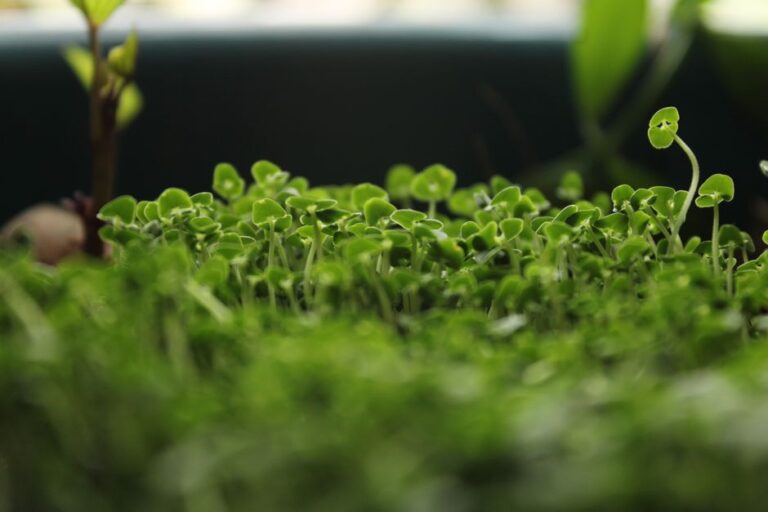
Microgreens are young plants harvested just after the first leaves emerge. These tiny greens, while minimal in size, have a significant impact on both flavor and nutrition. They not only add vibrant flavors and textures to dishes but also pack a powerful nutritional punch, making them an ideal companion for those dedicated to conscious cooking. By incorporating microgreens into our meals, we enhance both the flavor profile and health benefits, allowing us to relish in the culinary experience while caring for our well-being.
Rich in vitamins, minerals, and antioxidants, microgreens can dramatically boost the nutrient density of any meal. Varieties such as arugula, radish, and basil not only enrich your cooking but also promote overall wellness. In this article, we will explore how to cultivate nutrient-dense microgreens, emphasizing their role in enhanced conscious cooking and overall health.
Understanding the variety of available microgreens is essential for anyone looking to incorporate them into their diet. Each variety offers unique flavors and nutrients. For instance, radish microgreens provide a peppery kick, while sunflower microgreens lend a nutty flavor. This diverse palette allows cooks to tailor their use of microgreens to specific dishes, accentuating taste and enhancing texture.
Growing microgreens is an accessible and rewarding endeavor. Open to novices and experienced gardeners alike, the following steps are vital for successful cultivation:
The right growing medium supports healthy growth and can be tailored to your specific conditions. Here are some options:
Microgreens thrive in a controlled environment, making attention to detail essential. Take note of the following conditions:
Proper care is a cornerstone of successful microgreen cultivation. Here are key tips to keep your crops healthy:
Regularly monitor your microgreens for any signs of stress or disease. Pruning wilted or discolored leaves promptly encourages healthy growth and maximizes yield. Furthermore, timely harvesting is essential to maintain their peak nutritional value.
Harvesting microgreens is an exciting stage in the growing process, marking the culmination of your nurturing efforts. Here are some effective tips on how to harvest and incorporate them into your meals:
Culinary creativity comes alive when it’s time to use microgreens in your cooking. Here are some imaginative ways to include them:
Microgreens typically take between 7 and 21 days to grow, depending on the variety, with some quicker-growing options available for those eager to harvest.
Yes, microgreens can thrive indoors when provided with adequate light and ventilation. This makes them a versatile choice for urban gardening.
Indeed, many studies suggest that microgreens can contain higher concentrations of vitamins and minerals compared to their mature counterparts, making them a superfood in their own right.
No special equipment is necessary. Basic supplies include seed trays, soil, and light sources, which are easily accessible and affordable.
Freshly harvested microgreens can be securely stored in a sealed container in the refrigerator for up to a week, ensuring their freshness and flavor are preserved.
Microgreens not only enhance the flavor and aesthetic of dishes but also contribute significantly to health and wellness. With the knowledge gained from this article, you are equipped to grow and utilize these nutrient-rich plants in your culinary endeavors. By embracing microgreens as a staple in your conscious cooking, you can enjoy delicious meals that nourish your body and enrich your life.
Start your journey into the world of microgreens today. Begin cultivating your own and explore the endless culinary possibilities that await you. For further resources and tips, subscribe to our newsletter and join our community of passionate conscious cooks.