This practical guide shows how to take fresh market finds to a nourishing plate in 20 minutes using a repeatable dinner formula that respects real-food values, weeknight speed, and conscious choices, so you eat well without overthinking or overspending time.
The goal is simple: shop fast, cook faster, and plate with confidence. The method blends professional chef techniques, strategic meal prep, and time-efficiency logic to help busy people make high-quality dinners with zero fuss.
The 20-Minute Market-to-Plate Framework
The framework is a three-part flow that stays the same no matter what you bought at the market. Repeat the sequence and swap components for variety without slowing down.
Part 1 — Choose a 3-2-1 Build
- 3 vegetables: one quick-cooking green (spinach, arugula, baby kale), one crunchy veg (snap peas, radishes, carrots, cabbage), and one aromatic base (onion, scallion, garlic, ginger, celery).
- 2 proteins: a primary protein (eggs, tofu, tempeh, legumes, seafood, poultry, or quality leftovers) and a support protein or texture booster (nuts, seeds, cheese, yogurt, or edamame).
- 1 smart carb: pre-cooked grains, fast noodles, tortillas, or ready legumes. Keep a container of cooked rice, farro, or potatoes for the week.
This 3-2-1 build turns any market basket into a balanced plate without measurement anxiety.
Part 2 — Prep Flow in Minutes
- Rinse and rough-cut first: halve small veg, thin-slice aromatics, tear leafy greens by hand. Size uniformity beats precision here.
- Pre-sauce in a jar: shake oil, acid, salt, and a flavor note (miso, mustard, tahini, chili crisp, citrus zest). Two tablespoons sauce per serving is enough to gloss, not drown.
- Temperature map: hard veg first, soft veg last. Protein cooks only once; reheat gently if pre-cooked.
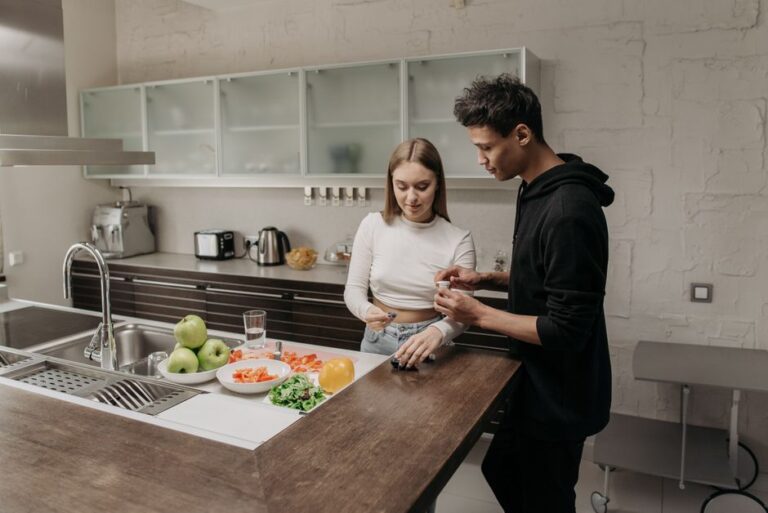
You should complete all knife work before heat hits the pan. If you find yourself chopping while the pan is smoking, pause and finish prep to keep the system smooth.
Part 3 — Heat, Toss, and Finish
- One hot pan: add oil, aromatics, hard veg, then protein, then soft veg. Deglaze with a splash of water, broth, or citrus to capture fond.
- Gloss, don’t gum: add the jarred sauce off heat or at the very end for shine and balance.
- Plate with contrast: add a cold element (herbs, microgreens, yogurt), a crunch (seeds, nuts, crisped breadcrumbs), and a bright finish (lemon, vinegar, or pickles).
This sequence preserves texture, keeps flavors clean, and lands dinner in roughly 20 minutes from market bag to table.
The Repeatable Dinner Matrix
Use this matrix to build endlessly varied real-food dinners that stay weeknight-fast.
Proteins That Cook or Reheat Quickly
- Eggs: soft-scramble or poach in 3–5 minutes.
- Tofu or tempeh: pan-sear slabs or crumble for fast browning.
- Seafood: shrimp, mussels, or thin fish fillets cook in minutes.
- Legumes: canned chickpeas, lentils, or beans, rinsed and warmed.
- Leftovers: rotisserie chicken shredded into hot veg for instant substance.
Vegetables That Reward Speed
- Greens: spinach, pea shoots, baby kale, or cabbage ribbons.
- Crunch: radish, cucumber, celery, snap peas, or quick pickles.
- Aromatics: scallion, shallot, garlic, ginger, citrus zest.
Fast Carbs and Smart Starches
- Pre-cooked grains: rice, quinoa, farro, or barley; reheat with a splash of water.
- Stovetop noodles: soba, rice noodles, whole-wheat spaghetti in 6–9 minutes.
- Ready legumes or potatoes: pan-crisp for texture and speed.
Flavor-in-Seconds Sauces
- Tahini-lemon-garlic with warm water and olive oil.
- Miso-lime-honey with grated ginger.
- Yogurt-mint-cucumber with lemon zest.
- Mustard-caper-parsley with vinegar.
- Chili crisp, toasted sesame oil, and rice vinegar for heat and lift.
Where I Disagree With Standard Meal-Prep Rules
When cooking high-quality dinners quickly, I push back on rigid rules that ignore kitchen chemistry. The goal is delicious speed, not doctrinaire systems that sap joy or texture.
“Standard advice often prioritizes rigid rules over practical kitchen chemistry, leading to food fatigue, soggy textures, and wasted time.”
- No soggy make-ahead greens: dress at the last minute and keep hot and cold separate until plating.
- Don’t pre-cook every component: par-cook dense veg, but finish in the pan to re-crisp and re-bloom aromas.
- Flavor beats volume: reduce sauces slightly or add off-heat to avoid stewing.
- Use smart ready-to-eat helpers: canned beans, frozen veg, and rotisserie chicken save minutes without sacrificing real-food integrity when you season and finish well.
Speed Tactics Backed by Pros
A fast, consistent method draws on established kitchen patterns that translate to home cooking.
- Divide work into a cold phase and a hot phase. As one chef-style guide puts it, a stir-fry succeeds when prep is 10–15 minutes without heat, then 3–5 minutes all-heat. If you are still chopping during the hot phase, you have broken the system (The Weeknight Stir-Fry System: 20 Minutes, No Recipe Needed).
- Start small with meal prep. A chef’s weekly approach shows that prepping supports portion control and helps you better gauge what and how much you eat, which can reduce overeating over time (Eat better with less stress—a chef’s simple guide on how to start meal prepping this week).
- Reframe “meal prep” as short, 20-minute sessions. Quick sessions that fill containers with help from rotisserie chicken, canned beans, frozen vegetables, and a single pan are more realistic than marathon Sundays (31 High-Protein Meal Prep Ideas You Can Make in 20 Minutes, Sorted by How You Reheat Them).
Pantry and Prep Shortcuts That Stay Conscious
Conscious real food values speed, seasonality, and minimal waste without sacrificing flavor or nutrition.
- Micro-batches, not mega-batches: cook only what you will eat in two meals to protect texture and variety. For deeper guidance on nutrient-dense greens you can grow at home, see nutrient-dense microgreens for enhanced conscious cooking.
- Flavor concentrates: freeze lemon zest, herb stems, and parmesan rinds to spike sauces on demand. Explore unconventional ingredients to boost your conscious cooking game to add depth fast.
- Pre-cooked starches on rotation: keep a small container of cooked grain or potatoes ready; refresh in a hot pan with oil to restore texture.
- One-skillet discipline: most 20-minute meals are manageable in a single skillet or wok to save dishes and focus heat where it matters.
- Value-led planning: align your kitchen choices with your cooking temperament to lower friction and decision fatigue. Consider which approach fits you in which conscious kitchen soul guides your plate.
- Sustainable meal prep loops: set a light, repeatable cadence for shopping and prep that supports health and reduces waste. For a step-by-step routine, see how to create a conscious meal prep routine.
Three Plug-and-Play 20-Minute Plates
Herby Chickpea Greens with Lemon Tahini
- 3 veg: baby kale, scallion, cucumber.
- 2 proteins: chickpeas and toasted almonds.
- 1 carb: pre-cooked farro, pan-crisped.
- Sauce: tahini, lemon, garlic, olive oil, warm water.
- Finish: dill, sumac, and a squeeze of lemon.
Shrimp, Snap Peas, and Ginger with Rice Noodles
- 3 veg: snap peas, shredded carrot, scallion.
- 2 proteins: shrimp and sesame seed sprinkle.
- 1 carb: soaked rice noodles.
- Sauce: miso, lime, honey, grated ginger, chili crisp.
- Finish: cilantro, rice vinegar, and toasted sesame oil.
Tofu-Cabbage Skillet with Mustard-Caper Drizzle
- 3 veg: green cabbage, onion, parsley.
- 2 proteins: seared tofu and yogurt dollop.
- 1 carb: pre-cooked potatoes, smashed and crisped.
- Sauce: whole-grain mustard, capers, parsley, cider vinegar, olive oil.
- Finish: black pepper and lemon zest.
Timing Blueprint: Hit 20 Minutes Consistently
- Minute 0–3: Fill a pot or kettle for noodles or grains if needed. Rinse veg. Heat skillet.
- Minute 3–7: Slice aromatics and hard veg. Shake sauce in a jar. Start noodles if using.
- Minute 7–14: Sear protein. Add aromatics and hard veg. Deglaze and add soft veg.
- Minute 14–18: Toss in carb to warm and absorb flavors. Add sauce to gloss.
- Minute 18–20: Plate, add cold element, crunch, and acid. Eat.
Troubleshooting for Texture and Flavor
- If veg turn soggy: raise heat, cook in batches, and sauce at the end.
- If flavors feel flat: add acid and salt before adding more fat. Brightness wakes up dulled palates fast.
- If timing slips: finish all chopping before you start cooking, then cook uninterrupted in one hot push.
- If leftovers bore you: change the finishers—new herb, new acid, new crunch—rather than remaking the entire dish.
Frequently Asked Questions
How do I keep vegetables crisp when cooking this fast?
Use high heat, cook hard vegetables first, and add tender greens last. Keep sauce for the end to avoid stewing and to maintain snap and color.
Can I still meal prep without spending hours on Sunday?
Yes. Short, 20-minute sessions that produce a few ready building blocks are effective, especially when you use helpful staples like rotisserie chicken, canned beans, and frozen vegetables to speed assembly while keeping quality high, as highlighted in the 20-minute prep approach (31 High-Protein Meal Prep Ideas You Can Make in 20 Minutes, Sorted by How You Reheat Them).
What is the most efficient way to structure a quick stir-fry dinner?
Divide the task into a no-heat prep phase and an all-heat cook phase. Finish all chopping first, then cook fast and hot for a few minutes. If you start chopping during the cooking phase, the system breaks and textures suffer (The Weeknight Stir-Fry System: 20 Minutes, No Recipe Needed).
How does light meal prep help with portion control?
Keeping ready components and pre-portioned containers makes it easier to see what and how much you are eating, which can help reduce overeating over time, according to a chef’s guide to getting started with meal prep (Eat better with less stress—a chef’s simple guide on how to start meal prepping this week).
What if I follow a plant-forward approach?
The 3-2-1 build works perfectly with legumes, tofu, tempeh, and nuts or seeds as your proteins. Lean into fast-cooking greens and bold sauces to keep variety high and effort low.
Sources