
How to Harness the Power of Sleep to Optimize Your Physical Performance

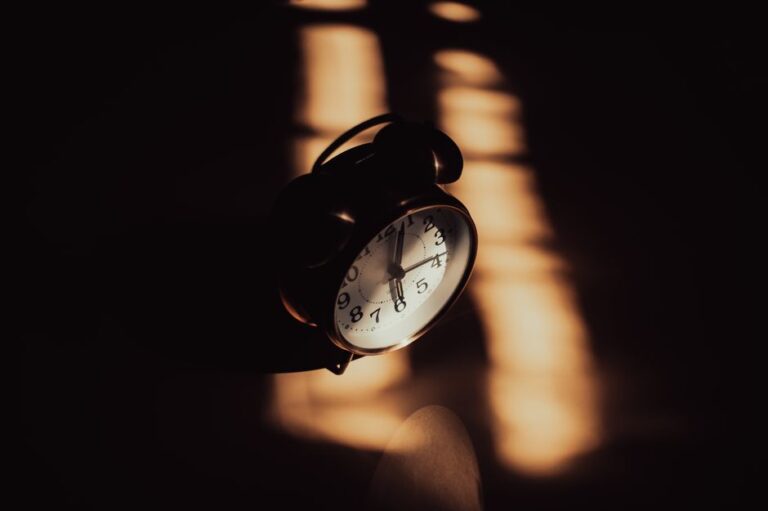
Circadian rhythm plays a crucial role in regulating various biological processes, significantly influencing sleep, energy levels, mood, and overall health. This natural 24-hour cycle dictates many bodily functions, impacting mental clarity and physical performance throughout the day. Fine-tuning your circadian rhythm can lead to improved energy levels, enhanced mood, and better productivity. A well-aligned circadian rhythm contributes to vital health benefits, including hormone regulation, immune responses, and metabolic processes.
By understanding the mechanisms behind this biological clock, you can make informed changes to your daily routines, thereby positively affecting your wakefulness and sleep patterns. This article explores effective strategies for aligning your internal clock for optimal energy and well-being throughout the day, enabling you to harness the advantages of a well-regulated circadian rhythm.
To effectively adjust your circadian rhythm, it is essential to comprehend the various factors that influence it. The primary elements include:
Exposure to natural light signals the body to wake up and be alert. During daylight hours, maximizing sunlight exposure is crucial for maintaining a healthy circadian rhythm. Here are some practical tips:
Fine-tuning your circadian rhythm requires consistent efforts over time. Here are effective strategies you can adopt to achieve this:
Going to bed and waking up at the same time every day reinforces your body’s natural clock. Aim for 7-9 hours of restorative sleep per night. Consider these practices:
Your sleep setting significantly affects the quality of your rest. Take the following steps to enhance your sleep environment:
Nutrition plays a vital role in regulating energy levels and supporting circadian health. Here are some tips for mindful eating:
Periodically assessing your energy levels can help you identify patterns that may inform adjustments for improvement. Consider tracking your energy states throughout the day. Here are effective methods:
Adjusting your circadian rhythm can take anywhere from a few days to several weeks, depending on how drastically you change your daily habits.
Yes, blue light glasses can help reduce the impact of artificial light, particularly in the evening, thereby promoting better sleep patterns and supporting your circadian rhythm.
Indeed, shift work can significantly disrupt your circadian rhythm, leading to chronic fatigue and various health issues. Implementing strategies to maintain consistency in sleep and wake times can help mitigate these effects.
Absolutely. By adjusting your light exposure, maintaining a consistent sleep schedule, and prioritizing healthy habits, you can naturally reset your internal clock to align more closely with natural day-night cycles.
Chronic stress can disrupt hormone levels and sleep quality, negatively impacting your circadian rhythm. By incorporating stress management techniques, such as mindfulness or exercise, you can help restore balance to your internal clock.
Understanding and adjusting your circadian rhythm is a pivotal step towards enhancing your overall health and vitality. By recognizing the various factors that influence this biological clock and implementing effective strategies, you can foster an environment conducive to optimal health. The benefits of a well-tuned circadian rhythm extend beyond merely getting enough sleep; they can significantly enhance your mood, energy levels, and productivity.
Make a commitment to prioritize your circadian health today. By taking actionable steps—such as evaluating your daily routines, optimizing your sleep environment, incorporating mindful nutrition, and managing stress—you pave the way for a more energetic and fulfilling lifestyle.
For those keen on embarking on this transformative journey, it’s time to take action now. Align your rhythms, embrace better sleep, and unlock your potential for a vibrant and balanced life.
