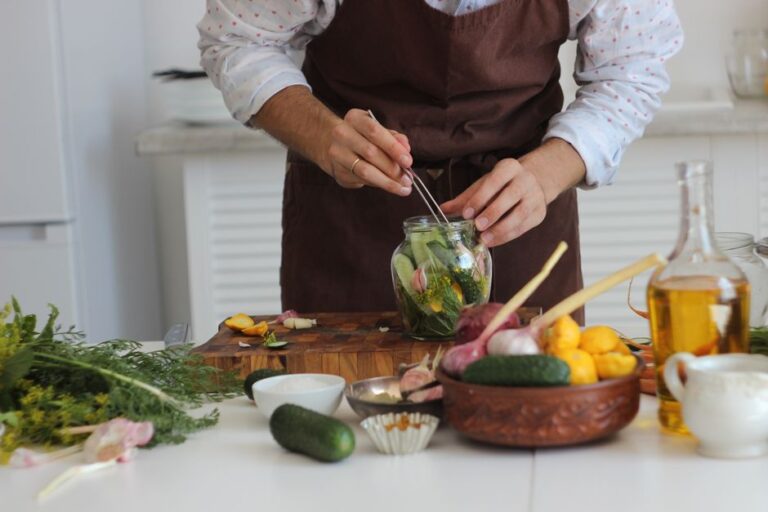
Introduction to Seasonal Ferments
Preparing seasonal ferments is an art that not only enhances flavor but also maximizes nutrition. By utilizing locally sourced ingredients, you can create delicious and health-boosting ferments that cater to your body’s needs throughout the year. This article will explore various methods and recipes for crafting seasonal ferments, ensuring that you reap their numerous health benefits while indulging your taste buds. In a world where convenience often trumps quality, embracing the practice of fermentation connects us more deeply to our food and its origins.
Understanding the Benefits of Seasonal Fermentation
Seasonal fermentation is more than just a culinary practice; it’s a lifestyle choice that promotes health. Fermented foods are rich in probiotics, which support gut health, boost immunity, and enhance nutrient absorption. Here are some key benefits of incorporating seasonal ferments into your diet:
- Improved Digestion: Probiotics found in fermented foods can optimize digestive health, reducing symptoms such as bloating and irregular bowel movements.
- Nutrient Density: Fermentation increases the bioavailability of vitamins and minerals, making nutrients more accessible for absorption. For instance, fermented foods can enhance the absorption of zinc and iron.
- Flavor Enhancement: The fermentation process brings out complex flavors in food, often transforming simple ingredients into gourmet delicacies. This can make healthy eating more enjoyable.
- Seasonal Availability: Using seasonal produce ensures freshness and sustainability, providing you with the best flavors while supporting local agriculture.
- Community Connection: Engaging in the fermentation process can foster a sense of community, as you might share your creations with friends and family, encouraging a communal appreciation for food.
Choosing the Right Ingredients
To create the most flavorful and nutritious seasonal ferments, it’s crucial to select high-quality, organic ingredients when possible. Here are some tips to consider when choosing your ingredients:
- Local Produce: Supporting local farmers not only ensures freshness but also minimizes your carbon footprint. Visit farmers’ markets to find the best seasonal offerings.
- Variety: Incorporate a mix of colors and types of fruits and vegetables to increase nutrient diversity. A varied palette can lead to a richer flavor profile.
- Quality Over Quantity: Choose organic and non-GMO options to avoid harmful chemicals, which can impact the fermentation process and your health. Reading labels is essential.
- Freshness: The fresher the produce, the better the fermentation. Pick ingredients that are at their peak to ensure optimal taste and health benefits.
Methods for Preparing Seasonal Ferments
There are various methods for fermenting seasonal produce, such as lacto-fermentation and wild fermentation. Below are some popular techniques that can cater to both beginners and seasoned fermenters:
Lacto-Fermentation
Lacto-fermentation is a popular method that uses salt and natural bacteria present in the environment to ferment vegetables. This technique is simple yet effective for enhancing flavor and preserving nutrients while allowing the vegetables to develop a pleasing crunch.
- Preparation: Start by cleaning and chopping your chosen vegetables into uniform pieces for even fermentation.
- Salting: Mix vegetables with salt, typically 2-3% of the vegetable weight. This salt draws out moisture and creates a brine, crucial for fermentation.
- Jar Packing: Pack the salted vegetables tightly in a glass jar, ensuring that no air pockets remain, as these can lead to unwanted spoilage.
- Fermentation: Let the mixture ferment at room temperature for several days to weeks. The length of time will depend on temperature; warmer conditions can speed up the fermentation process.
Wild Fermentation
Wild fermentation leverages the natural yeasts and bacteria present in the environment, resulting in unique flavors and nutrient profiles. It’s perfect for adventurous fermenters looking to explore diverse taste experiences.
- Ingredient Selection: Choose fresh, unhygienic vegetables and fruits to ensure that wild microbes can thrive and result in rich fermentation.
- Natural Brining: Create a brine using water and salt, or submerge the ingredients directly in the brine to start the fermentation process.
- Covering: Use a breathable cloth to cover the jar, allowing wild microbes to enter while keeping out insects and dust.
- Flavoring: Add herbs, spices, or even fruits to your base ingredients for a unique taste profile that reflects the season.
Fermenting Seasonal Favorites
Fermentation can be applied to various seasonal ingredients, embracing each season’s bounty. Here are some examples of beloved seasonal ferments that anyone can create:
Spring: Asparagus Pickles
Asparagus is a spring delight that can be transformed through fermentation, adding a tangy flavor that complements its natural sweetness. Here’s a quick guide:
- Ingredients: Fresh asparagus, garlic, dill, and a salt brine.
- Process: Pack the asparagus into a jar, layering in the garlic and dill, then pour in the brine until fully submerged. Ferment for 1-2 weeks, tasting periodically to determine your preferred sourness.
Summer: Tomato Salsa
Capture the essence of summer with a batch of nourishing tomato salsa. Fermenting this classic condiment provides a depth of flavor that fresh salsa lacks.
- Ingredients: Ripe tomatoes, onions, garlic, cilantro, lime juice, and salt.
- Process: Combine all ingredients in a jar and allow it to sit at room temperature for 2-4 days, stirring occasionally, until desired tanginess is achieved.
Autumn: Sauerkraut
Autumn is the perfect time for sauerkraut as cabbage is at its peak. This traditional dish not only adds flavor but is also a fantastic probiotic source.
- Ingredients: Shredded cabbage and salt.
- Process: Pack the cabbage tightly into a jar, ensuring it is submerged under its own juices. Ferment for 4-6 weeks, checking periodically to release gases and add additional seasonings if desired.
Storing and Using Your Ferments
Once your seasonal ferments are ready, proper storage is vital to maintain their flavor and nutritional benefits. Follow these guidelines for optimal enjoyment:
- Refrigeration: Store ferments in the refrigerator to slow down fermentation, prolonging shelf life without compromising quality.
- Use within Weeks: Aim to consume your ferments within a few months to savor their best flavors and health benefits, particularly in the early stages following fermentation.
- Incorporate in Meals: Utilize small amounts of ferments to elevate salads, sandwiches, or main dishes, providing a nutrient boost and flavor complexity.
Frequently Asked Questions
What is the best way to start fermenting at home?
Begin with simple recipes, such as sauerkraut or pickles, using fresh seasonal vegetables and the appropriate salt mixtures. Familiarize yourself with basic equipment like glass jars and fermentation weights.
How long should I ferment my vegetables?
The fermentation time varies based on the vegetable type and your desired flavor profile. Generally, a period of 1-4 weeks is recommended, with warmer environments typically speeding up the process.
Can I use any type of vegetable for fermentation?
Most vegetables can be fermented, but some, such as cucumbers, cabbage, and carrots, are particularly well-suited for the process. Experiment with your favorites to discover new combinations.
Is there a risk of harmful bacteria in fermentation?
When following proper fermentation methods and guidelines, the risk of harmful bacteria is minimal. Always ensure that you use clean equipment, fresh ingredients, and adhere strictly to proportions of salt and water.
How can I tell if my ferment is successful?
A successful ferment typically has a tangy taste, a pleasant aroma, and may exhibit some bubbles, indicating active fermentation. Your senses will guide you, and regular tasting will help you determine the perfect flavor.