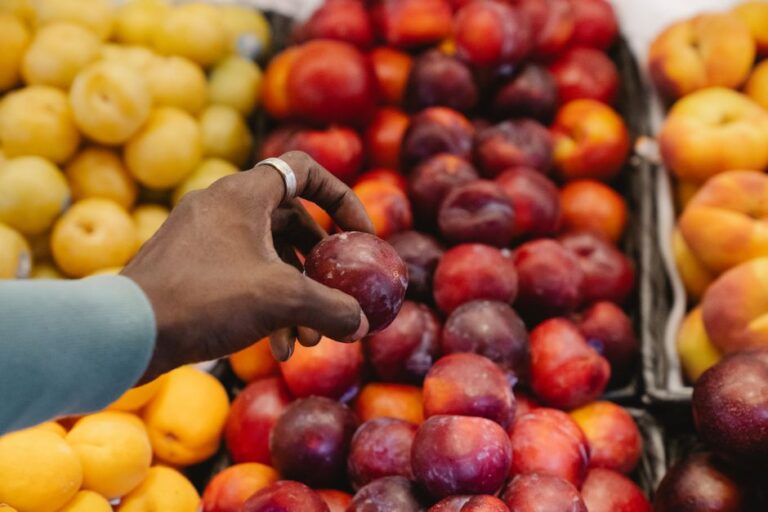
In today’s fast-paced world, understanding how to choose whole foods for a balanced diet is vital for maintaining optimal health. Whole foods, which are minimally processed and free from artificial ingredients, provide essential nutrients that support overall well-being. This article delves deeper into the benefits of whole foods, explores practical strategies for incorporating them into your diet, and guides you on making informed choices that lead to a healthier lifestyle.
The Importance of Whole Foods
Whole foods are characterized by their natural state, retaining their original nutrients and fiber. The benefits of emphasizing whole foods in your diet are numerous and can significantly impact your health:
- Improved Nutrient Density: Whole foods are rich in vitamins, minerals, and antioxidants, which are crucial for bodily functions.
- Better Digestion: The fiber found in whole foods supports digestive health, promotes regularity, and can prevent digestive disorders.
- Weight Management: Whole foods tend to be more filling due to their fiber and water content, which helps reduce the chances of overeating.
- Decreased Risk of Chronic Diseases: Diets high in whole foods can lower the risks of heart disease, diabetes, and certain cancers, contributing to longevity.
Understanding Whole Food Categories
To successfully incorporate whole foods into your diet, you must recognize the various categories available. Each offers unique nutritional benefits:
- Fruits and Vegetables: High in fiber, vitamins, and minerals, a colorful plate can maximize nutrient intake. For example, including dark leafy greens and vibrant berries can provide different health benefits.
- Whole Grains: Foods like brown rice, quinoa, and whole wheat bread offer more nutrients compared to their refined counterparts. They provide sustained energy and help manage blood sugar levels more effectively.
- Nuts and Seeds: Packed with healthy fats, protein, and fiber, they serve as excellent snacks or meal additions. Consider almonds or chia seeds, which can enhance your diet significantly.
- Legumes: Beans, lentils, and peas are exceptional protein sources that can replace meat in various dishes. They are also linked to lower cholesterol levels.
How to Choose Whole Foods
Choosing whole foods doesn’t have to be overwhelming. Here are practical steps to help you make informed decisions while grocery shopping:
- Read Labels: Choose products with fewer ingredients that you can recognize and pronounce, indicating they are less processed.
- Shop the Perimeter: The outer aisles of the grocery store typically contain fresh produce, dairy, and meats, while inner aisles are often dominated by processed foods.
- Seasonal Shopping: Buying seasonal produce not only enhances taste and nutritional value but also supports local agriculture and economies.
- Educate Yourself: Research the benefits of whole foods versus their processed counterparts to better understand what’s best for your health.
Meal Planning with Whole Foods
Meal planning is an effective way to ensure consistent incorporation of whole foods into your diet. Consider these strategies for success:
- Batch Cooking: Prepare large quantities of whole foods like grains and beans that can be used throughout the week for easy meal assembly.
- Balanced Meals: Aim for a plate filled with half fruits and vegetables, a quarter whole grains, and a quarter protein to optimize nutrient intake.
- Experiment with Recipes: Look for new, whole-food-based recipes to keep meals interesting and varied, preventing culinary fatigue.
Challenges and Solutions in Adopting Whole Foods
Transitioning to a whole foods diet can pose challenges, but understanding them is the first step toward overcoming obstacles:
- Cost: Whole foods can be more expensive. Consider buying in bulk, utilizing local farmer’s markets, or choosing store brands to reduce costs.
- Time: Preparing whole foods may take longer, but meal prepping can save significant time during the week, making healthy eating easier.
- Accessibility: If fresh whole foods aren’t available, frozen options can be a nutritious alternative. They are often picked and frozen at peak ripeness, preserving their nutritional value.
Staying Motivated
Maintaining a diet centered around whole foods requires commitment and motivation. Here are tips to help you stay on track:
- Set Realistic Goals: Establish achievable dietary goals rather than attempting drastic changes that may lead to burnout.
- Engage with a Community: Join groups that emphasize whole food education and support, providing you with encouragement and accountability.
- Track Your Progress: Keep a food journal to monitor what you eat and how it makes you feel, helping you stay mindful of your choices.
Frequently Asked Questions
What are some examples of whole foods?
Whole foods include fruits, vegetables, whole grains, nuts, seeds, and legumes. These foods are minimally processed and retain their natural nutrients, promoting health.
How can I incorporate more whole foods into my diet?
Start by gradually replacing processed foods with whole food options. Experiment with new recipes that highlight fruits, vegetables, and whole grains to enhance variety.
Are frozen whole foods as nutritious as fresh ones?
Yes, frozen fruits and vegetables can be just as nutritious as fresh ones, particularly if they are frozen shortly after harvest. They provide a convenient alternative when fresh produce isn’t available.
Can I still enjoy treats while eating whole foods?
Yes, balance is key. Enjoy treats occasionally, but aim to make them from whole food ingredients to maintain dietary quality and satisfaction.
What should I look for on food labels?
When reading labels, prioritize foods with minimal added sugars, healthy fats, and recognizable ingredients. Choose products containing a high percentage of whole food components to ensure quality.
Conclusion
Incorporating whole foods into your diet can profoundly affect your health and well-being. By understanding their importance, learning how to choose them wisely, planning meals, and staying motivated, you can adopt a lifestyle that promotes vitality and longevity. The journey towards a whole foods diet is not only beneficial for your physical health but can also lead to a more satisfying and enjoyable eating experience.
Call to Action: Start your journey towards a healthier lifestyle today by exploring local markets, trying new recipes, and making a conscious effort to incorporate whole foods into your meals. Your body will thank you!