Best Cooking Oils for Metabolic Health: Smoke Points, Oxidation Stability, and Smart Uses
Choosing the best cooking oil for metabolic health means balancing fatty acid profile, oxidation stability, and practical fit for sautéing, roasting, and dressings. This guide explains how smoke points and oxidative resilience influence the formation of off-flavors and potentially harmful byproducts, and it maps each oil to ideal kitchen uses so you can protect flavor, support metabolic wellbeing, and cook with confidence.
How Oil Chemistry Affects Metabolic Health
Metabolic health benefits from oils that are stable during cooking and provide favorable fatty acids. Monounsaturated fats (MUFA) such as oleic acid are relatively stable and are widely used in cardiometabolic patterns of eating. Polyunsaturated fats (PUFA) are essential, yet many are prone to oxidation at heat. Saturated fats (SFA) are heat-stable but should be used in context of overall dietary patterns.
Oxidation matters because degraded oils can form polar compounds and aldehydes that affect taste and, if frequently consumed, may not align with health-forward goals. Oxidation risk increases with high heat, long cooking times, repeated frying, light exposure, and air contact.
- MUFA-rich oils: Extra-virgin olive oil, avocado oil, high-oleic sunflower or safflower.
- PUFA-rich oils: Grapeseed, soybean, corn, regular sunflower or safflower, walnut, flaxseed.
- SFA-rich fats: Ghee/clarified butter, coconut oil, tallow.
Smoke Point vs. Oxidation Stability
Smoke point is the temperature where visible smoke appears and flavors degrade. Yet smoke point is not the only indicator of stability. Refining raises smoke point but can reduce protective antioxidants, while certain unrefined oils maintain stability because of natural phenolics and tocopherols.
- Refined oils: Higher smoke points, cleaner flavor, fewer antioxidants.
- Unrefined/virgin oils: Lower smoke points on paper, richer antioxidants and flavor; well-suited for moderate heat and finishing.
- High-oleic variants: Bred or selected for more MUFA, improving heat stability compared with standard PUFA-dominant versions.
Best Oils for Sautéing: Balanced Heat and Stability
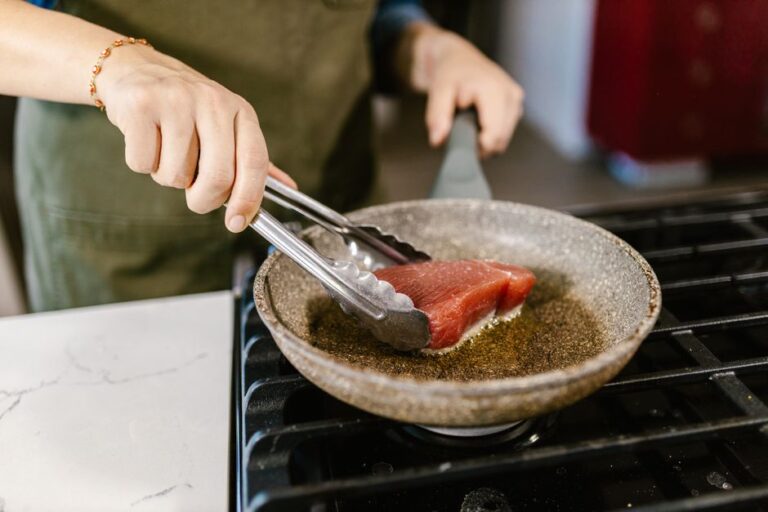
Sautéing uses medium to medium-high heat. Prioritize oils with good oxidative stability and pleasant flavor development. Keep pans preheated moderately and avoid persistent smoking.
- Extra-virgin olive oil (EVOO): Rich in MUFA and natural antioxidants. Works well for most stovetop cooking, including sautéing vegetables, fish, and eggs. Robust flavor pairs with Mediterranean and everyday dishes.
- Avocado oil: MUFA-forward and typically refined for a higher smoke point. Neutral to buttery flavor; versatile for searing and sautéing without overpowering aromatics.
- Ghee (clarified butter): Milk solids removed, improving heat tolerance and nutty flavor. Good for sautéing and browning aromatics. Use in moderation within overall dietary balance.
- High-oleic sunflower or safflower: Choose explicitly labeled high-oleic varieties for better stability than standard PUFA-dominant versions. Neutral taste suits a wide range of recipes.
- Peanut oil: Reasonable heat tolerance and distinct, pleasant flavor for stir-fries and quick sautés. Confirm refinement level if you need a higher smoke point.
Cookware and temperature control directly influence oil behavior. For guidance on pan materials that distribute heat evenly and minimize scorching, see which cookware to choose for low-toxin, nutrient-smart everyday cooking.
Best Oils for Roasting: Dry Heat Without Excess Oxidation
Roasting exposes oils to prolonged, dry heat. Choose stable fats and avoid drenching ingredients. Light coating and controlled oven temperatures reduce oxidation.
- Avocado oil (refined): Consistent at oven temps common for sheet-pan meals and roasted vegetables, with mild flavor that lets ingredients shine.
- High-oleic sunflower or safflower: Neutral and steady for roasting poultry, root vegetables, and nuts.
- Ghee: Excellent for crisping potatoes and developing browned flavors. Brush lightly to prevent excess smoke.
- Extra-virgin olive oil: Works for moderate roasting; antioxidants can help counteract heat stress. Avoid charring and extremely high oven settings.
Limit use of very PUFA-rich oils for high-heat roasting, as they oxidize more readily. If you enjoy their flavor, add them after cooking instead of using them as the primary roasting medium.
Best Oils for Dressings and Finishing: Flavor, Polyphenols, and Delicate PUFA
For cold uses and finishing, prioritize flavor and beneficial compounds over smoke point. Oxidation risk is lower at room temperature if storage is proper.
- Extra-virgin olive oil: Go-to for dressings, dips, and finishing. Peppery, grassy, or fruity notes add complexity. Choose fresh, well-stored bottles.
- Toasted sesame oil: Intense aroma; best as a finishing drizzle in small amounts for Asian-inspired dishes and slaws.
- Walnut oil: PUFA-rich with a delicate nutty flavor. Use cold for salads; keep refrigerated and well sealed.
- Flaxseed oil: Very high in alpha-linolenic acid (ALA). Use strictly cold and store refrigerated; add to dressings and smoothies.
- Pumpkin seed oil: Deep green, robust flavor. Use as a finishing splash over soups, grains, and salads.
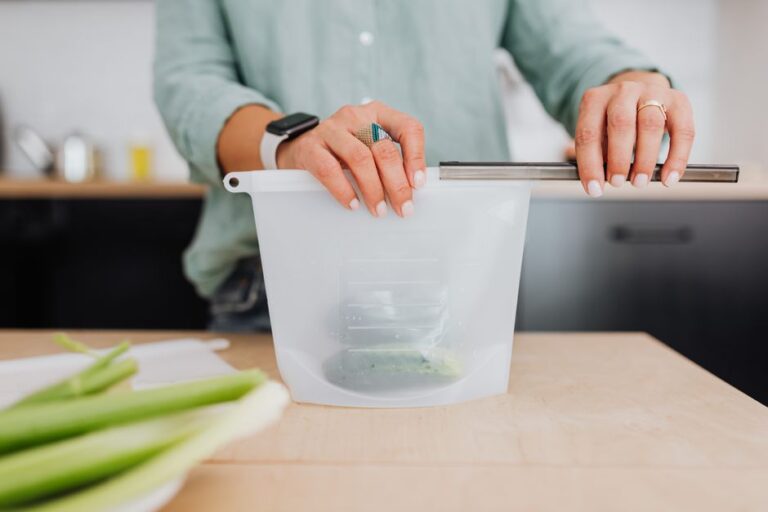
For safe storage that preserves aroma and slows oxidation, consult our complete guide to non-toxic food storage and choose dark glass, stainless, or other low-reactivity containers.
Reading Labels: What Truly Matters for Oxidation and Quality
Label details signal freshness, stability, and integrity. When available, look for harvest date, best-by date, and country or region of origin. For EVOO, certifications and sensory notes may indicate authenticity, but verify independently where possible.
- High-oleic wording: Confirm “high-oleic” on sunflower or safflower to distinguish from standard PUFA-dominant versions.
- Refined vs. unrefined: Refined oils are neutral and higher smoke point; unrefined retain flavor and antioxidants for moderate heat or cold uses.
- Packaging: Dark glass or opaque containers protect from light. Tight caps limit oxygen exposure.
- Additives: Pure single-ingredient oils are generally preferred for predictable performance and taste.
Kitchen Use Map: Which Oil to Use and When
Sautéing and Pan Searing
- Best defaults: Extra-virgin olive oil, avocado oil, high-oleic sunflower/safflower, ghee.
- Situational: Peanut oil for nutty flavor; refined olive oil if you want milder taste with higher smoke tolerance.
- Tips: Preheat pan gently, add oil, and avoid prolonged smoking. Work in batches to prevent overheating.
Roasting and Oven Cooking
- Best defaults: Avocado oil, high-oleic sunflower/safflower, ghee, extra-virgin olive oil for moderate temps.
- Avoid for high heat: Very PUFA-rich oils like flaxseed or walnut; save for post-roast finishing.
- Tips: Use just enough oil to coat. Stir or flip midway to prevent hot spots. Watch for browning rather than dark charring.
Dressings, Dips, and Finishes
- Best defaults: Extra-virgin olive oil for most vinaigrettes and drizzles.
- Flavor accents: Toasted sesame, walnut, pumpkin seed, or herb-infused oils added just before serving.
- Tips: Balance acid and salt to let oil flavor shine. Keep delicate oils refrigerated and use within their recommended window.
Special Topics: Seed Oils, Canola, Coconut, and Ghee
The “seed oil” conversation often focuses on oxidation and omega-6 intake. The key is context. Standard sunflower, safflower, corn, and soybean oils are PUFA-rich and more prone to oxidation at high heat. If you use them, keep temperatures moderate and avoid repeated heating.
- Canola (rapeseed) oil: Typically higher in MUFA than many seed oils and neutral in flavor. Refinement level varies by brand; check labels and choose fresh, well-packaged bottles.
- Coconut oil: High in saturated fats and heat-stable. Distinct flavor; suited to certain cuisines and baking. Consider overall dietary pattern and personal lipid targets.
- Ghee: Clarified butter removes milk solids, improving heat tolerance and delivering rich flavor. Use for browning and sautéing with moderation.
- Grapeseed oil: Neutral and often refined; PUFA-rich. Prefer for brief medium-heat tasks or cold uses; avoid very high heat or repeated frying.
If precise smoke points matter for a recipe, verify the producer’s specifications, as values vary with cultivar, refinement, and freshness.
Handling, Storage, and Reuse: Minimizing Oxidation at Home
Good technique often matters as much as oil choice. Control heat, minimize oxygen and light, and avoid repeated high-heat cycles.
- Storage: Keep oils in cool, dark places with caps tightly closed. Choose smaller bottles if you use oil slowly.
- Light and air: Prefer dark glass or opaque containers. Transfer to smaller bottles as volume decreases to reduce headspace.
- Reuse: Avoid reusing oil for multiple frying sessions. Each cycle increases oxidation and off-flavors.
- Freshness: Note the opening date. Discard oils that smell paint-like, soapy, or stale.
Heat management is easier with the right pans and burners. For practical selection tips that improve control over searing and simmering, see how to select the best cookware for health-conscious cooking.
Quick Picks by Cooking Method
- Sautéing: Extra-virgin olive oil, avocado oil, ghee, high-oleic sunflower/safflower.
- Roasting: Avocado oil, high-oleic sunflower/safflower, ghee, moderate-heat EVOO.
- Dressings/finishing: Extra-virgin olive oil, toasted sesame, walnut, flaxseed (cold only), pumpkin seed.
- High-heat searing (brief): Avocado oil, refined olive oil, high-oleic sunflower/safflower, ghee.
FAQs: Cooking Oils and Metabolic Health
Is extra-virgin olive oil safe for sautéing and light roasting?
Yes. Extra-virgin olive oil’s MUFA content and natural antioxidants make it suitable for everyday sautéing and moderate roasting. Keep temperatures reasonable and avoid visible smoking for best flavor and stability.
Which oils should I avoid for very high heat?
Avoid very PUFA-rich, delicate oils like flaxseed, walnut, and standard (non–high-oleic) sunflower or safflower for high-heat applications. Reserve these for cold uses or finishing.
Are refined oils always better because of higher smoke points?
Not always. Refining raises smoke points but can reduce beneficial antioxidants. A balanced approach uses stable oils with suitable refinement for the task and avoids overheating, regardless of oil type.
Can I reuse frying oil?
It is best to avoid reusing oil. Each heating cycle accelerates oxidation and degrades flavor. If you must, strain out food particles, store briefly in a dark, cool place, and discard at the first sign of off-odors.
How should I store delicate oils like flaxseed or walnut oil?
Keep delicate oils tightly sealed in the refrigerator, away from light, and use them promptly. Discard if aroma becomes paint-like or bitter, which suggests oxidation.
Relacionados
Best Cooking Oils for Metabolic Health: Smoke Points, Oxidation Stability, and What to Use for Sautéing, Roasting, and Dressings
Complete Guide to Non-Toxic Food Storage for Hormone Health: Glass vs Silicone vs Stainless, Plastic Codes to Avoid, and When to Use Each
Complete Guide to Cooking Oils for Hormone Health: Smoke Points, Omega Ratios, Refining Methods, and the Best Uses for Sautéing, Roasting, and Dressings
How to Build an Endocrine-Safe Pantry: Ingredient Swaps, Label Red Flags, and Budget-Friendly Staples