Choosing non-toxic food storage reduces everyday exposure to chemicals that may disrupt hormones, helps preserve nutrient quality, and keeps flavors clean. This expert guide compares glass, silicone, and stainless steel, explains plastic recycling codes to avoid, and shows exactly when to use each material for fridge, freezer, oven, and on-the-go meal prep.
Why Non-Toxic Food Storage Matters for Hormone Health
Hormone health can be influenced by cumulative, low-dose exposure to certain chemicals found in plastics and some coatings. Compounds such as bisphenols and phthalates are widely discussed for their potential endocrine activity, especially when plastics are heated, worn, or used with fatty or acidic foods.
Minimizing heat and abrasion on plastics, selecting inert materials like glass and high-quality stainless steel, and using food-grade silicone appropriately are practical steps to lower potential exposure without sacrificing convenience.
Materials Overview: Glass vs Silicone vs Stainless Steel
Glass Containers: The Gold Standard for Inert, Non-Toxic Storage
Glass is non-porous and does not leach into food under normal use. It is excellent for refrigerator storage, freezer use with headspace, and oven reheating when the manufacturer approves oven use. Many kitchen containers are made from soda-lime glass; borosilicate glass better tolerates thermal shock, but both require gradual temperature changes.
Advantages include clean flavor, transparency for easy inventory, and long service life. Consider weight for on-the-go use and protect edges to prevent chips. Most glass sets come with plastic or silicone lids; choose lids that will not contact hot food when possible.
Silicone Bags and Lids: Flexible and Heat-Tolerant When Properly Cured
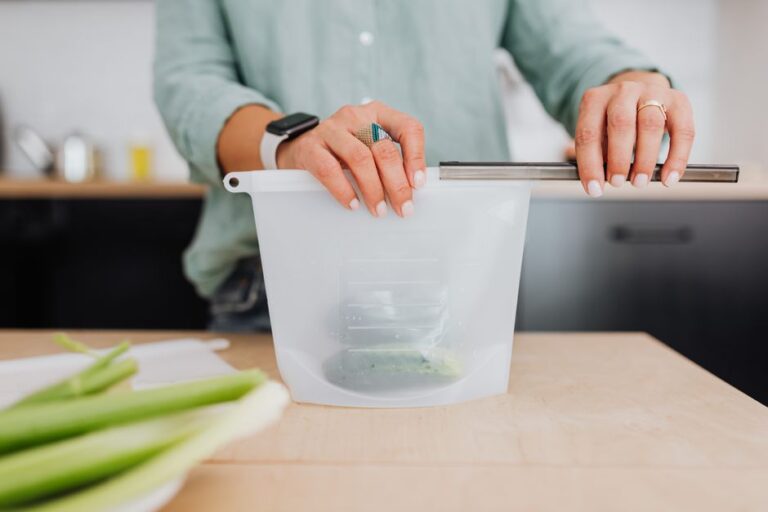
Platinum-cured, food-grade silicone is generally stable, flexible, and resistant to heat and cold within labeled ranges. Silicone bags excel for freezer storage, marinating, and sous-vide within rated temperatures. They are also useful as splash-proof transport options for snacks and cut produce.
Silicone can absorb strong odors and colors over time, and some products may vary in filler content and cure quality. Buy from reputable brands, respect stated temperature limits, and avoid direct contact with open flames or broilers. If a strong odor persists after cleaning and baking off per manufacturer guidance, consider replacing the item.
Stainless Steel Containers: Durable, Lightweight, and Low-Absorption
High-quality stainless steel food containers, commonly 18/8 or 18/10, are durable, relatively light, and resistant to staining. They are excellent for cold storage, dry goods, and travel. Stainless is not microwave safe, and some acidic foods stored long-term may develop slight metallic taste in certain products.
Choose unlined, food-grade stainless containers with tight gaskets for transport. If you notice recurring taste changes with acidic or salty foods, switch those items to glass. Stainless is ideal for lunches, bulk pantry storage, and zero-breakage scenarios.
Plastic Codes Explained and What to Avoid
When plastic is unavoidable, understanding resin identification codes helps reduce risk. These codes identify polymer types, not safety, and actual performance depends on product design and conditions of use. As a general hormone-health strategy, avoid heating plastics and limit contact with hot, fatty, or acidic foods.
- #1 PET or PETE: Common in beverage bottles and some food packaging. Intended for single use and cold contents. Avoid heat and repeated refilling.
- #2 HDPE: More robust and often used for milk jugs and some food bins. Prefer cold use and avoid heat exposure.
- #3 PVC: Often avoid for food contact. May contain plasticizers. Not recommended for hormone-conscious kitchens.
- #4 LDPE: Used in some bags and flexible lids. Prefer cold, short-contact uses only. Do not heat.
- #5 PP (polypropylene): Common in container lids. More heat tolerant than many plastics but still best not heated with food contact when hormone health is a priority.
- #6 PS (polystyrene/foam): Avoid for hot foods and beverages. Not recommended for reheating.
- #7 Other (including polycarbonate): Category varies. Polycarbonate can contain bisphenols. Avoid unless a brand clearly states the polymer and use-case, and still skip heat.
Practical Rule for Plastics in a Hormone-Conscious Kitchen
Use plastic only for cold, short-term storage when no better alternative is available. Do not microwave or oven-heat plastic, avoid dishwashers on high-heat settings for items that contact food, and replace worn, cloudy, or cracked pieces.
When to Use Each: Clear, Real-World Scenarios
- Fridge leftovers: Glass for most dishes, especially saucy, fatty, or acidic foods. Silicone lids can cap glass bowls without contacting hot food. Stainless for dry or low-acid cold items.
- Freezer batch cooking: Glass with headspace for soups and stews; avoid rapid temperature shock. Silicone bags for space-efficient freezing of sauces, broths, and cut fruit. Stainless for frozen breads or pre-portioned dry goods.
- Oven reheating: Oven-safe glass is the default. Remove plastic lids and use oven-safe silicone or foil covers if needed. Consider cookware insights alongside reheating choices in the cast iron vs nonstick discussion.
- Microwave reheat: Glass is best. Vent the lid or use a glass plate as a cover. Avoid microwaving plastic or silicone in contact with food.
- On-the-go lunches: Stainless for durability and light weight. Silicone bags for snacks and cut produce. Glass only if breakage risk is low.
- Acidic foods (tomato, citrus, vinegars): Glass for marinating and storage. Silicone is acceptable for short-term marinating. Stainless for brief, cold storage if flavor remains unchanged.
- Oily and spicy foods: Glass prevents odor transfer. Silicone may retain aromas; designate a few bags for strong flavors.
- Kids’ snacks: Stainless or silicone for shatter resistance. Choose tight-seal lids and test for leaks with water before use.
- Herbs, dressings, and oils: Dark glass for light-sensitive oils and vinaigrettes. For cooking applications, align storage with the complete guide to cooking oils.
- Meal prep workflow: Combine glass for mains, stainless for transport, and silicone for freezer marinating. For planning and batching, see the create a conscious meal prep routine guide.
Lids, Seals, and Accessories: Small Parts, Big Impact
Lids and gaskets often contact food condensate. Prioritize inert contact surfaces and limit heat exposure. Choose PP lids if plastic is unavoidable and avoid PVC or unknown flexible plastics for hot items.
Opt for silicone gaskets that are removable for thorough cleaning. Replace gaskets that retain odors or show cracking. For leak resistance, a well-designed stainless or glass body with a high-quality gasket outperforms thick plastic alone.
Cleaning, Maintenance, and Odor Control
- Gentle cleaning: Use fragrance-free dish soap and non-abrasive tools to reduce micro-scratching, especially on plastics and silicone.
- Heat discipline: Keep plastics out of high-heat dishwashers. Wash silicone and stainless within manufacturer temperature limits.
- Odor reset for silicone: Soak in warm water with baking soda, then dry thoroughly. Some brands allow a low bake to off-gas residual odors; follow product guidance.
- Stain prevention: Coat glass lightly with oil before storing deeply colored sauces to ease cleaning. Use designated silicone for turmeric- or chili-heavy dishes.
- Inspection: Replace any item that is cracked, warped, cloudy, or sticky, as wear can increase migration risk and harbor residue.
Budget and Sustainability Tips
- Start with essentials: A mixed set of a few glass rectangles, two stainless lunch boxes, and several silicone bags covers most needs.
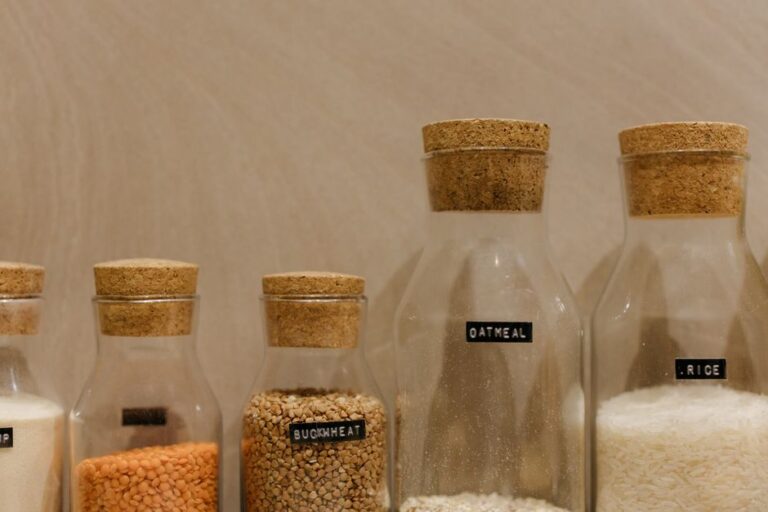
- Repurpose mindfully: Reuse glass jars for dry goods and cold sauces. Skip reusing single-use plastic for hot or long-term storage.
- Buy lids and gaskets as spares: Extending container life is cost-effective and lowers waste.
- Right-size your set: Fewer, versatile pieces reduce clutter and make safer choices automatic.
Quick Decision Checklist for Non-Toxic Food Storage
- Is the food hot, fatty, or acidic? Choose glass; silicone for short-term; avoid plastic.
- Is portability critical? Use stainless or silicone; reserve glass for low-breakage settings.
- Will you reheat? Prefer oven-safe glass for oven and microwave. Do not heat plastics.
- Is odor transfer a concern? Use glass. Assign specific silicone pieces to strong flavors.
- Do you need leak-proof seals? Look for containers with removable silicone gaskets and proven latch designs.
Related Conscious Kitchen Practices
Safe storage pairs well with low-toxin cookware and utensils, smart reheating, and mindful prep. For cookware performance and safety, explore how to select the best cookware and choosing eco-friendly kitchen utensils to complete your Conscious Body approach.
Frequently Asked Questions
Is all silicone safe for hot food storage?
Choose reputable, food-grade, platinum-cured silicone and follow the manufacturer’s temperature limits. Avoid direct flame and broilers, and skip microwaving silicone that directly contacts splattering, high-fat foods if odor or staining has been an issue.
Can I freeze soup in glass without cracking?
Yes, if the glass is freezer-safe and you leave ample headspace, cool the soup first, and avoid rapid temperature changes. Use wide-mouth shapes and do not overfill.
Which plastic codes should I avoid for hormone health?
Avoid #3 PVC, skip #6 polystyrene for hot foods, and be cautious with #7 “Other,” which can include polycarbonate. Even with #1, #2, #4, and #5, limit to cold, short-term use and never heat.
Do stainless steel containers change the taste of food?
Quality 18/8 or 18/10 stainless usually keeps flavors neutral. Some acidic foods stored for long periods may develop slight metallic notes in certain products. If you notice this, use glass for those items.
Are glass container lids safe to heat?
For a Conscious Body-aligned kitchen, prioritize glass for heat and acidity, stainless for portability, and reputable silicone for flexible freezing and short-term tasks. Avoid heating plastics, track wear, and let clear, simple materials protect both your food and your hormones.
Relacionados
Best Cooking Oils for Metabolic Health: Smoke Points, Oxidation Stability, and What to Use for Sautéing, Roasting, and Dressings
Complete Guide to Non-Toxic Food Storage for Hormone Health: Glass vs Silicone vs Stainless, Plastic Codes to Avoid, and When to Use Each
Complete Guide to Cooking Oils for Hormone Health: Smoke Points, Omega Ratios, Refining Methods, and the Best Uses for Sautéing, Roasting, and Dressings
How to Build an Endocrine-Safe Pantry: Ingredient Swaps, Label Red Flags, and Budget-Friendly Staples